Tailoring Basics: Which Alterations Are Worth Paying For
The common mistake is thinking every fit problem can be fixed by a tailor. It cannot. A tailor can shorten, narrow, and reshape many garments, but the wrong shoulder width, a badly placed armhole, or a jacket that is two sizes too small can turn a promising purchase into an expensive compromise.
I have paid for excellent alterations and regretted cheap ones. The difference usually comes down to structure. Spend money where the change improves the garment’s balance, comfort, and frequency of wear. Skip work that only hides a poor base size or costs more than replacing the garment.
Which Alterations Give the Best Return on Your Money?
Prices vary by city, fabric, lining, and tailor, but the value ranking stays fairly stable. Simple work earns its keep when you wear the garment often. Complex work makes sense only when the garment has strong fabric, good construction, or personal value.
| Alteration | Typical 2026 price | Value verdict |
|---|---|---|
| Trouser hem | $15–$30 | Almost always worth paying for |
| Waist adjustment | $25–$55 | Worth it within about one inch |
| Jacket sleeve shortening | $35–$75 | High value when the shoulders fit |
| Shirt side seams | $25–$60 | Good for expensive or frequently worn shirts |
| Jacket center-back take-in | $45–$100 | Worth it for a good jacket with a loose waist |
| Jacket shoulder reconstruction | $150–$350 or more | Usually skip unless the garment is exceptional |
| Full trouser recut | $100–$250 | Replace the trousers instead |
The high-return jobs
Start with hems, sleeves, and small waist adjustments. These changes use the garment’s existing shape and usually preserve the original proportions. A trouser hem can remove a sloppy break in ten minutes of fitting work. A jacket sleeve shortened from the cuff can correct a visibly wrong detail without disturbing the sleeve pitch.
The expensive traps
Shoulder reconstruction, major chest expansion, and full relining are different decisions. They can be excellent repairs, but they are not sensible on a $100 jacket. My cutoff is simple: if the alteration costs more than half the garment’s replacement price, the garment needs exceptional fabric, construction, or sentimental value to justify it.
Which Trouser Alterations Should You Pay For First?
Trousers are the easiest place to waste money because small changes can look dramatic in the mirror. Start from the waist and seat, then work down to the hem. A clean hem cannot save trousers that pull across the hips.
- Fix the hem first. Try the trousers with the shoes you will actually wear. For most dress trousers, the front should make a light break or a clean near-break, while the back should reach the top of the heel without dragging. Jeans and casual chinos can sit lower, but excess fabric still makes the leg look shorter.
- Adjust the waistband only within a narrow range. Taking in about half an inch to one inch is usually safe. More than that can shift the pockets, center-back seam, and belt loops. Letting out the waist works only when the tailor finds enough seam allowance inside the waistband.
- Check the seat before tapering. Wrinkles that point toward the crotch often mean the seat is too tight. Horizontal folds under the waistband can mean the seat is too loose. Tapering the lower leg will not solve either problem; it can make the upper fit look even worse.
- Taper with restraint. A modest reduction from the knee to the hem can sharpen wide trousers. Removing too much fabric makes the knee look swollen and limits movement. I prefer a leg opening that leaves room for the shoe and lets the trouser fall straight.
- Skip a rise problem. If the waistband sits too low, the front pulls when you sit, or the back feels exposed, buy a different cut. Altering the rise changes several seams at once and rarely produces the comfort people hope for.
For trousers, the clear winner is a good hem followed by a small waist correction. Those jobs change the visible finish without rewriting the garment. The wrong rise is the point where I stop altering and start shopping.
When Is a Jacket Alteration Worth the Cost?
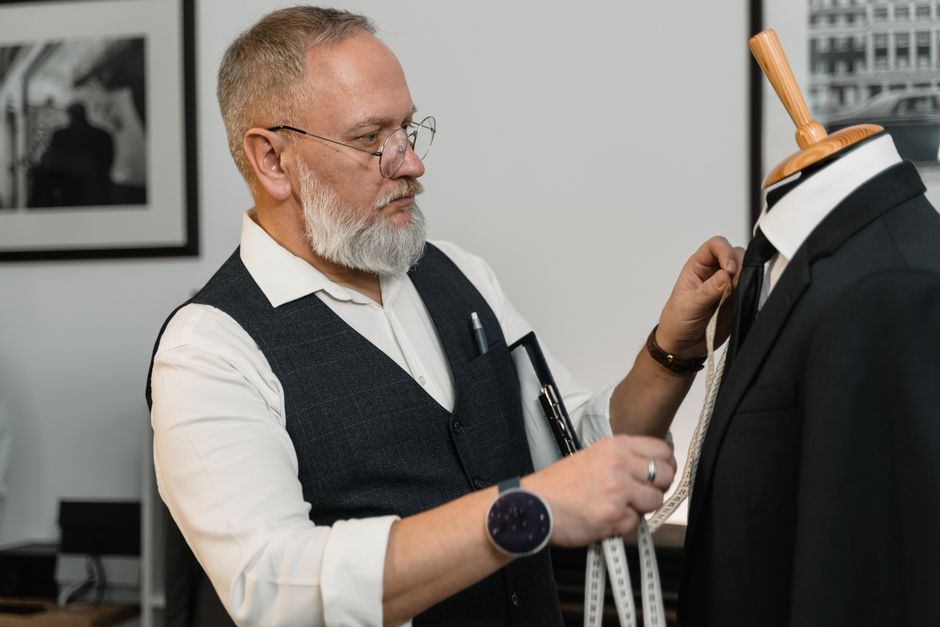
My short verdict: pay for jacket sleeves, a small center-back take-in, and minor length corrections when the shoulders, chest, and button position already look right; skip a jacket that collapses at the shoulders or strains across the chest, because those defects sit at the garment’s foundation and often cost more to repair than the jacket deserves.
A sleeve should show roughly a quarter to half an inch of shirt cuff when your arms rest naturally, but that measurement is only useful after the shoulder seam ends at your actual shoulder. A sleeve that is too long on a good shoulder is an easy fix. A sleeve that twists because the armhole is wrong is not.
Jacket length also needs caution. Shortening the body can move the pockets, alter the button stance, and make the lapels look too long. I would rather wear a jacket that is slightly long but balanced than pay for a dramatic crop that makes every other detail look misplaced.
When Should You Not Pay for an Alteration?
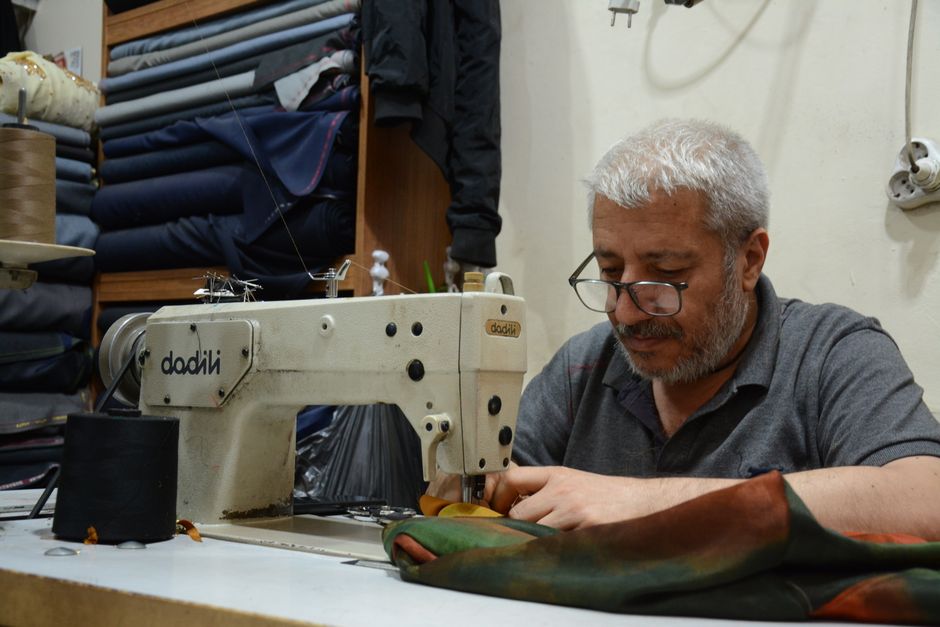
The best tailoring advice is sometimes a refusal. A tailor’s quote tells you how hard the job is, not how wise the purchase was.
- Do not alter a garment with the wrong shoulders. A jacket shoulder that extends far beyond your body creates a slope that is hard to disguise. A shoulder that ends well inside your shoulder can make the sleeve hang like a bent tube.
- Do not size up to solve tightness in one place. If the chest fits but the waist is loose, buy the larger size only when the tailor can take in the waist without disturbing the pockets and buttons. If the shoulders are already too large, the larger size is the wrong base.
- Do not pay luxury prices for low-quality construction. Thin fabric, weak seams, fused lapels that bubble, and plastic zippers do not become premium after alterations. Better fit cannot replace poor materials.
- Do not ignore movement. Sit, raise your arms, walk, and reach forward during the fitting. A garment that looks perfect while standing still may pull at the armholes or cut into the waist after five minutes.
- Do not tailor around damage. Moth holes, shiny worn fabric, stretched elastic, and deep permanent stains are signs to stop investing. A clean repair can extend a useful garment, but tailoring cannot restore exhausted cloth.
- Do not let the alteration bill erase the original bargain. A $40 thrifted blazer plus $180 in reconstruction is not a $40 bargain. It is a $220 blazer that still may not fit as well as a ready-to-wear jacket selected in the correct shoulder size.
My strongest rule is to buy the better base size and pay for the small finish. That order protects both the budget and the final silhouette.
How Product Construction Changes the Alteration Decision
Brand names do not guarantee a good fit, but they can tell you what kind of alteration bill you are facing. A Levi’s 501 Original, commonly listed around $80, is a sensible candidate for a $20 hem because the denim cut is meant to be worn repeatedly. A Uniqlo Oxford Shirt, often around $40, may be worth a small sleeve or side-seam adjustment, but a $50 alteration bill makes less sense than replacing it in another size.
| Garment example | Typical retail price | Alteration I would consider | My verdict |
|---|---|---|---|
| Levi’s 501 Original jeans | About $80 | Hem or small waist adjustment | Worth tailoring if the rise and seat fit |
| Uniqlo Oxford Shirt | About $40 | Minor sleeve correction | Only worth it if worn weekly |
| J.Crew Ludlow suit | Often $600–$700 | Hem, sleeve, waist, and center-back work | Good alteration base when the shoulders fit |
| Brooks Brothers 1818 suit | Often $1,000 or more | Detailed fitting and sleeve work | Complex alterations can be justified |
| Singer M1505 sewing machine | About $180 | Home hemming and basic repairs | Useful only for people who will practice |
The J.Crew Ludlow is the strongest middle-ground example: a good shoulder fit plus manageable sleeve and trouser work can create a much sharper suit without entering bespoke prices. The Brooks Brothers 1818 deserves more careful tailoring because the fabric and construction can support the investment. The Singer M1505 is a different choice altogether. Buy a sewing machine only if you plan to learn basic hems and repairs; it will not replace a tailor for jacket balance, formal trousers, or delicate fabrics.
For most wardrobes, the winning formula is simple: buy the right shoulders and rise, then pay for hems, sleeves, and small waist corrections. That is where tailoring changes a garment from merely wearable to something you reach for without thinking.