Fashion vs Style: How to Tell Passing Trends From Personal Taste
A $115 sneaker worn 30 times costs $3.83 per wear. Worn twice, it costs $57.50 per wear. That small calculation exposes the real difference between fashion and style: fashion attracts attention at the moment of purchase, while style earns value through repeated use. An insurance analyst would separate an insurer’s AM Best rating from its J.D. Power score because each measures a different risk. Clothing needs the same discipline. Prices and premiums vary by state and individual factors, so treat every price below as a reference rather than a promise.
Fashion and Style Answer Different Questions
Fashion asks what is moving now
Fashion is the visible system of current shapes, colors, fabrics, and styling ideas. A barrel-leg jean, metallic shoe, or oversized blazer can move from runway to social media to a high-street shop within weeks. Its value comes from relevance and change. Fashion helps you see what is available, but it does not tell you what deserves space in your closet.
Style asks what keeps working
Style is your repeatable answer to getting dressed. It includes the proportions you like, the colors you reach for, the amount of polish you want, and the level of comfort you will protect. The table below works like a coverage comparison: it separates the useful protection a trend offers from the exclusions that make it a poor personal choice.
| Question | Fashion | Personal style |
|---|---|---|
| Primary job | Shows what is current | Creates a reliable visual identity |
| Time frame | Often one season to three years | Can remain useful for a decade |
| Main evidence | Runways, retailers, creators, streetwear | Your closet, schedule, comfort, and repeat behavior |
| Main risk | Buying for novelty alone | Becoming so cautious that outfits feel flat |
| Best use | Add one controlled accent | Build the base of most outfits |
My verdict is simple: use fashion as input, then let style decide. A trend earns a place only when it solves a real dressing problem and works with at least three items you already own.
How to Tell a Trend From a Personal Preference
My verdict: a preference survives after the algorithm stops showing it. Wait 72 hours before buying a highly visible trend, then ask whether you still want the shape without the photo, the influencer, or the discount countdown. If you can name three existing outfits, one real occasion, and a comfortable way to wear it, the idea may fit your style. If you can only describe how popular it is, you are responding to fashion pressure rather than personal taste. This test also explains why a trend can look excellent on someone else and still fail in your wardrobe: the image sells a full context, but the checkout page sells one isolated item. Style begins when you evaluate the item without borrowed confidence.
Why Your Closet Fills With Clothes You Never Wear
The fantasy-life purchase
The most common mistake is buying for an imaginary version of your week. You picture gallery openings, rooftop dinners, or spontaneous weekend trips, then purchase clothes that require a life you do not actually live. The garment may be attractive, but its use case is fictional. A practical audit starts with the last 14 days: count workdays, errands, social events, exercise, formal occasions, and time spent at home. Your wardrobe should reflect that ratio. If 70 percent of your time is casual or work-casual, a closet dominated by special-event pieces will create daily frustration.
The single-outfit trap
A statement item often looks complete in a product photo because the styling team supplies the rest. At home, you discover that the trousers need a specific shoe, the jacket needs a narrow shoulder line, or the color clashes with every coat you own. Before buying, list three combinations using clothes already in your closet. Do not count an outfit that depends on another future purchase. If the item works only after a second or third purchase, its real price is higher than the tag suggests.
The discomfort exclusion
Comfort is not a minor preference. It determines repeat wear. Tight armholes, scratchy fibers, unstable waistbands, heavy shoes, and fabrics that wrinkle after one sitting can remove a garment from service even when the design looks right. Use a 20-minute home test before removing tags: sit, walk, lift your arms, use your phone, and check the garment in ordinary light. These are the wardrobe equivalent of exclusion warnings. If movement or care demands fail the test, the item is not covered by your real life.
The strongest fix is a waiting list. Record the item, its price, the outfits it would complete, and the date you first wanted it. After seven days, keep only purchases that still solve a specific problem.
The 10-Minute Style Audit That Stops Impulse Buys

- Start with your most-worn outfit. Photograph the outfit you wore yesterday, then identify the color, silhouette, and shoe shape that made it easy. This is evidence about your style, not a theory about who you might become.
- Find the repeated gap. Look for a real shortage: no warm layer for commuting, no polished shoe for work, or no comfortable trouser for long days. A trend is useful when it fills that gap.
- Apply the three-outfit rule. Build three complete looks with existing pieces. Include one ordinary weekday outfit. If every combination feels like a costume, decline the purchase.
- Check care and storage. Read the fiber content and care label. A dry-clean-only item may be a poor choice for a busy week, while a bulky coat may not fit your closet. Practical friction becomes non-use.
- Calculate cost per wear. Divide the price by a realistic number of wears in the next year. A $180 boot worn 40 times costs $4.50 per wear. A $35 novelty top worn once costs $35 per wear.
- Get multiple quotes for alterations. For tailored or made-to-measure clothing, ask at least two local professionals about sleeve, hem, waist, or shoulder adjustments. The cheapest garment may not be the cheapest finished result.
This audit takes less time than a rushed return process. It also gives you a clear reason to buy, which makes the decision easier to defend when the trend cycle moves on.
My Recommendation: Buy Fewer Trend Items and Test Them Hard
Buy the most stable version of a trend, then spend more only when the garment proves useful. A straight-leg jean, a clean sneaker, or a relaxed overshirt can absorb a current proportion without turning your wardrobe into a seasonal costume. The strongest examples below are reference points, not affiliate picks, and US list prices can change with sales, location, tax, and size.
Best low-risk experiments
The Uniqlo AIRism Cotton Oversized T-Shirt, often listed around $24.90, is a controlled way to test a roomier silhouette. It costs less than a tailored jacket and works under a cardigan, open shirt, or casual blazer. For a more structured change, the Levi’s 501 Original Jeans carry a typical US list price around $79.50. Their straight fit tests a different proportion without requiring the extreme width of a runway-inspired jean. My pick for a first experiment is the Levi’s 501 because denim has a high number of possible wears and gives clearer evidence about your preferred silhouette.
When the higher price earns its place
The Nike Air Force 1 ’07, commonly priced near $115, makes sense for someone who needs a simple white sneaker with enough visual weight for wide-leg trousers. It is a poor choice if you dislike a substantial shoe or mostly wear delicate, low-profile footwear. The Dr. Martens 1460 Smooth Leather Boot, often around $180, is a stronger purchase for a person who already wears boots several times a week and wants a durable, high-contrast anchor. It is the wrong buy for a warm climate, a formal workplace, or anyone unwilling to break in a firm leather boot.
That is the key distinction: the product does not win because its brand is famous. It wins when its shape, maintenance, and expected wear match your life. A product review can report materials and price, but your closet supplies the final rating.
Fashion vs Style Questions Buyers Ask Before Paying
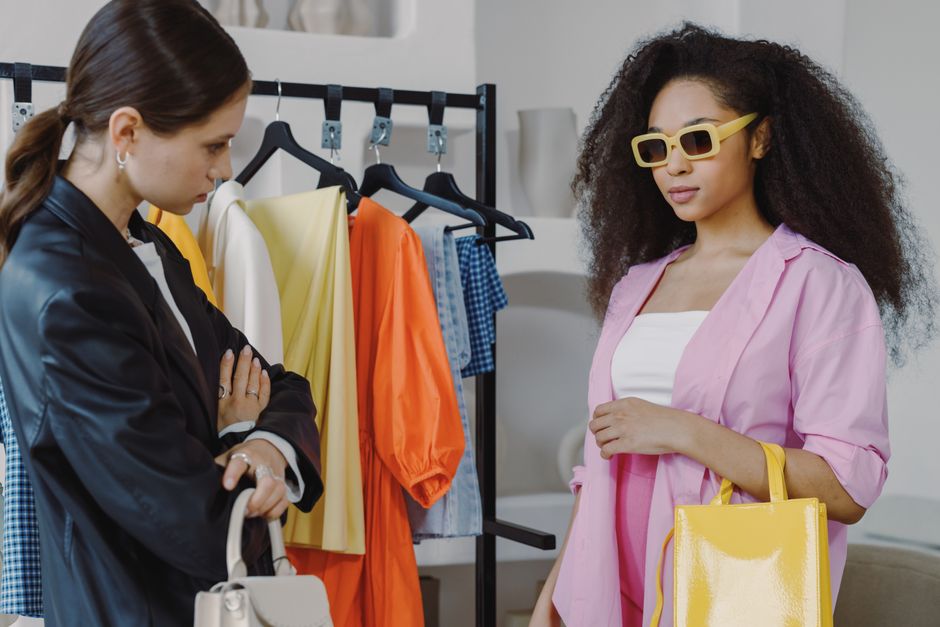
How many trends should one wardrobe contain?
Start with one or two active trends per season, then keep the rest of the outfit familiar. A current shoe with an older trouser, or a new color with a reliable coat, creates contrast without forcing a full reset. There are no state-specific coverage requirements for personal style; the real constraints are climate, workplace rules, venue dress codes, and your own movement needs.
Should I avoid fast fashion completely?
No. The better question is what job the item performs. A low-cost trend can be a sensible experiment when you expect at least 10 wears, understand the fabric, and can return it easily. It becomes a poor purchase when the low price removes all scrutiny. Cheap does not mean harmless if the item stays unworn or fails after two washes.
How can I tell if a style change is really mine?
Save the idea, wait one week, and test the shape with clothes you already own. If you keep returning to it and can describe the exact occasions where it helps, buy one version and track the wears. If you are shopping to repair boredom, insecurity, or a fear of missing out, pause. For most readers, the clearest recommendation is to keep a stable base, add one trend at a time, and choose the Levi’s 501 or Uniqlo AIRism T-shirt type of experiment before committing to a costly statement piece.