Best Women’s Winter Boots Canada Reviews 2026: Technical Performance and Style Analysis
The Canadian winter is not a singular event; it is a diverse meteorological spectrum that varies wildly from the damp, salt-heavy streets of Halifax to the crystalline, bone-shattering dry cold of the Yukon. Selecting footwear for this environment requires a departure from purely aesthetic considerations in favor of a rigorous analysis of thermal dynamics, moisture management, and kinetic stability. For many, the search for the best women’s winter boots in Canada is a balancing act between the desire for a silhouette that doesn’t resemble a deep-sea diving suit and the biological necessity of keeping ten toes at a functional temperature. This review examines the leading contenders for the 2026 season, focusing on real-world utility across the varied Canadian landscape.
Understanding Thermal Ratings and Insulation Metrics for the Canadian Climate
One of the most frequent points of confusion for consumers is the temperature rating displayed on boot tags. It is a common misconception that a -30°C rating is an absolute guarantee of warmth at that specific temperature. In reality, these ratings are often determined in laboratory settings that do not account for individual metabolic rates, humidity levels, or the duration of exposure. A boot rated for -40°C might keep a person warm while they are hiking through a forest in Jasper, but that same person might feel the bite of the frost while standing stationary at a streetcar stop in Toronto for twenty minutes. The rating assumes a certain level of activity that generates internal body heat.
Insulation types play a critical role in this thermal equation. Synthetic insulations, such as Thinsulate or Primaloft, are measured in grams per square meter (GSM). A 200g rating is generally sufficient for mild Canadian winters or high-activity use, whereas 400g or higher is necessary for those in the Prairies. However, many heritage brands like Sorel or Baffin rely on removable felt liners. These liners, often made of recycled polyester and wool blends, are superior for moisture wicking. When your feet sweat—which they inevitably do, even in the cold—the felt draws the moisture away from the skin. If that moisture stays against your foot, you will get cold, regardless of how much insulation is packed into the boot. The ability to remove the liner to dry it overnight is a significant advantage for those who use their boots daily.
Beyond the insulation itself, the construction of the sole acts as a thermal bridge. A thin sole allows the heat from your foot to be sucked into the frozen pavement through conduction. High-performance winter boots utilize a thick midsole, sometimes with an integrated thermal foil or air pockets, to break this conductive path. When reading reviews, pay close attention to the stack height of the heel and forefoot; a thicker barrier between you and the ice is often more important than the fluffiness of the faux-fur collar.
Comparative Analysis of Top-Tier Women’s Winter Boots for 2026
The following models have been selected based on their historical reliability, material quality, and specific suitability for different Canadian regions. These are not merely fashion statements; they are engineered tools for winter survival.
1. UGG Adirondack III ($310 CAD)
The Adirondack III has transitioned from a niche luxury item to a staple of the Canadian winter wardrobe. It features a DryTech waterproof bootie construction and a dual-density EVA midsole for comfort. The lining is UGGpure wool, which provides exceptional warmth without the bulk of traditional pac boots. One concrete pro is its versatility; the cuff can be folded down for a different look or kept up for extra calf warmth. A notable con is the price point, which sits at the higher end of the mass-market spectrum, and the fact that the white sheepskin can become stained by road salt if not treated immediately.
2. Sorel Joan of Arctic ($240 CAD)
This is arguably the most recognizable winter boot in Canada. It utilizes a classic pac-boot design with a vulcanized rubber shell and a tall suede upper. The 6mm recycled felt inner boot is replaceable. A major pro is its deep-snow performance; the height of the boot prevents snow from entering the top. However, a significant con is its weight and clunkiness. This is not a boot for long-distance urban walking; it is heavy, and the lack of ankle flexibility can lead to fatigue during extended use.
3. Baffin Chloe ($200 CAD)
For those in the coldest regions, Baffin is often the final word. The Chloe model is rated for -40°C and features a multi-layer inner boot system that includes a B-Tek heat component. A pro is the sheer thermal efficiency; these are among the warmest boots available for under $250. The con is the aesthetic; they have a very wide, rounded toe box that many find unappealing for city wear, and the synthetic materials can feel less “premium” than leather alternatives.
4. Manitobah Mukluks Snowy Owl ($230 CAD)
As an Indigenous-owned brand, Manitobah Mukluks offers a product rooted in traditional design. The Snowy Owl is sheepskin-lined and features a Vibram Tipi sole. A pro is the incredible comfort and lightweight feel, which is vastly superior to heavy rubber boots. A con, however, is their performance in slush. While they are water-resistant, they are not fully waterproof rubber shells. In a Toronto or Vancouver slush-storm, the suede will eventually saturate if not heavily treated with protective sprays.
Comparison Summary of Key Models
| Model | Best For | Insulation Type | Waterproofing |
|---|---|---|---|
| UGG Adirondack III | Urban Versatility | 200g Synthetic/Wool | High (DryTech) |
| Sorel Joan of Arctic | Deep Snow/Style | 6mm Felt Liner | High (Rubber Shell) |
| Baffin Chloe | Extreme Cold | Multi-layer System | High |
| Manitobah Snowy Owl | Dry Cold/Culture | Sheepskin | Moderate |
| Kamik Momentum 3 | Value/Utility | Thinsulate | High |
Evaluating Outsole Technology and Slip Resistance on Ice
Warmth is a moot point if you are unable to stay upright. The physics of walking on ice involve a complex interaction between the durometer (hardness) of the rubber and the texture of the tread. In extreme cold, many standard rubber compounds become brittle and hard, losing their ability to grip the microscopic imperfections in the ice. This turns your boots into skates. High-quality winter boots use specialized rubber compounds designed to remain soft and pliable even at sub-zero temperatures.
Vibram Arctic Grip is currently the industry standard for non-studded traction. It features a unique polymer blend that is specifically engineered to grip wet ice. If you look at the bottom of a boot equipped with Arctic Grip, you will see blue-speckled lugs that feel slightly gritty to the touch. This technology is a significant advancement for urban commuters who frequently encounter black ice on sidewalks. Another approach is seen in brands like Pajar, which often include “Ice-Gripper” outsoles—integrated flip-out cleats that provide mechanical traction when needed. While highly effective, these can be inconvenient as they must be flipped back before walking on hardwood or tile floors to avoid damage.
Tread pattern also matters. A “self-cleaning” tread is one where the lugs are spaced far enough apart that snow and slush are pushed out as you walk, rather than becoming packed into the sole. Once the tread is filled with packed snow, the boot becomes a flat surface with zero traction. When evaluating a boot, look for multi-directional lugs and deep channels. A flat, fashionable sole may look sleek in a catalog, but it is a liability in a Montreal winter. Safety is a component of fashion that is often overlooked until the first major freeze of the season.
Pro tip: If your current boots are slippery, consider purchasing a pair of external traction aids like Yaktrax or ICETREKKERS. They are a cost-effective way to upgrade a fashion boot for hazardous conditions without buying a whole new pair.
Materials, Maintenance, and the War Against Road Salt
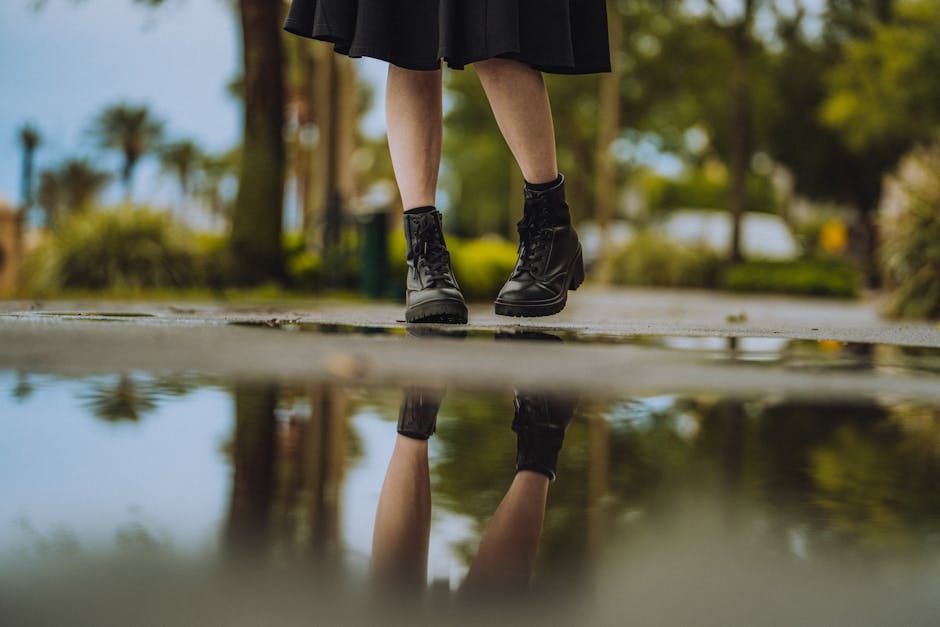

The longevity of a winter boot in Canada is rarely determined by how much you wear it, but rather by how well you clean it. Road salt (calcium chloride and rock salt) is a corrosive agent that dehydrates leather and weakens the chemical bonds in synthetic glues. If left untreated, salt will create white, crusty lines that eventually lead to the leather cracking and the boot leaking. Leather is skin; it needs to be conditioned. For leather boots like those from La Canadienne or UGG, a seasonal application of a beeswax-based conditioner or a specialized salt-neutralizing spray is non-negotiable.
Synthetic materials, such as the nylon uppers found on many Kamik or Columbia boots, are more resistant to salt damage but are harder to repair once they tear. The trade-off here is durability versus maintenance. A high-quality leather boot can last a decade if properly cared for and occasionally resoled by a cobbler. A synthetic boot is generally a 3-to-5-year investment before the membranes begin to break down or the fabric frays beyond repair. For those living in high-salt environments like Ottawa or Quebec City, the ease of rinsing off a rubber-shelled Sorel boot cannot be overstated. You can literally hose them down in the mudroom without fear of damaging the material.
Another factor in longevity is the storage method. Many people toss their wet boots into a dark closet at the end of the day. This is a mistake. Dark, damp environments are breeding grounds for bacteria and mold, which lead to the dreaded “winter boot smell.” Investing in a boot dryer—a device that circulates slightly warmed air through the boots—can double the lifespan of your footwear by ensuring they dry completely from the inside out every night. This prevents the breakdown of the internal foams and keeps the insulation lofted and effective. If a boot dryer is not an option, stuffing the boots with newspaper is an old but effective method for absorbing internal moisture.
Key Maintenance Steps for Canadian Boots
- Rinse Daily: Use a damp cloth to wipe away salt deposits after every use. Do not let them sit overnight.
- Neutralize: Use a solution of one part white vinegar to two parts water to dissolve stubborn salt stains.
- Condition: Apply a leather protector or wax every 4-6 weeks to maintain the waterproof barrier.
- Dry Properly: Remove liners and insoles. Avoid placing boots directly on a high-heat radiator, as this can crack the leather and melt glues.
- Store with Care: Use boot trees or rolled-up magazines to help tall boots maintain their shape during the off-season.
Ultimately, the best women’s winter boots for a Canadian are those that reflect the reality of their specific environment. If your winter consists of running from a heated car to a heated office, a sleek, waterproof leather boot from La Canadienne provides the necessary protection without the aesthetic weight of a heavy hiker. However, if your reality involves waiting for a delayed bus in a Winnipeg blizzard, the technical superiority of a Baffin or a heavy-duty Sorel is a requirement for safety and comfort. Winter is a formidable opponent; your choice of footwear is your primary line of defense.