
Bogs Winter Boots Kids Review: Bogs Winter Boots for Kids: The Sizing, Warmth, and Durability Review
Your kid refuses to tie laces. It’s 7:40 AM, the bus comes in eight minutes, and you’re still wrestling with a frozen zipper on last year’s boots. You just want something waterproof, warm, and quick to get on. Bogs markets exactly that. But the reality has some sharp edges you should know about before spending $70–$90.
This is a no-fluff review of Bogs winter boots for kids. I’ll cover what actually holds up, what fails, and when you should buy something else entirely.
What Bogs Gets Right: The Handle and the Seal
Bogs built their kids’ line around one insight: children cannot manage complicated footwear. The pull-on handle at the back of the shaft is not a gimmick. A four-year-old can grab it and yank the boot on without help. That handle is reinforced with nylon webbing, not just a fabric loop. It survives being stepped on by the other foot.
The shaft is made from a single piece of vulcanized rubber up to about 7 inches high. That means no seam at the toe or heel to split open. The rubber itself is softer than what you find on a cheap rain boot. It flexes at the ankle instead of digging into the back of the calf. The Bogs Kids Classic High uses the same construction as the adult version, just scaled down.
Waterproofing is legitimate. The rubber is continuous up to the shaft, and the interior liner is a separate neoprene bootie. Snow, slush, puddles — nothing gets through unless water goes over the top. That’s the first thing parents want to know, and Bogs delivers.
Warmth Ratings Are Real, Not Marketing Math
Bogs rates most kids’ models to -30°F. That number assumes the child is active and wearing a decent sock. In real-world testing, the Bogs Kids Classic High keeps feet warm down to about 10°F for standing-around use (waiting for the bus, watching a sibling’s hockey game). Below that, you need a heavier sock and a foot warmer for inactive kids. The neoprene liner is 7mm thick, which is substantial. Compare that to the 3mm liner in many fashion winter boots. The warmth is genuine, not just a tag.
One thing Bogs does better than most: the liner wicks moisture. Kids sweat in these. The neoprene pulls sweat off the sock and lets it evaporate through the top. That matters because damp feet get cold fast, even in a well-insulated boot.
Where Bogs Fails: Sizing and the Insole Problem

Here’s the part most reviews skip. Bogs sizing runs big and wide. A size 1 Bogs fits more like a size 1.5 or even 2 in a standard kids’ shoe. That’s fine if you know it going in. But it means you cannot buy these online without measuring your kid’s foot against Bogs’ specific size chart. Do not use their sneaker size.
The bigger issue is the insole. Bogs ships with a basic foam insole that compresses flat within about six weeks of daily wear. Once that happens, the boot loses a chunk of its warmth and cushioning. The fix is simple: replace the insole with a wool or shearling insert. But that’s an extra $15–$20 on top of an already pricey boot. You shouldn’t have to do that on day one.
The shaft is also narrow at the calf opening for kids with thicker legs. If your child has muscular calves or you’re layering snow pants inside the boot, the opening fights you. The pull-on handle helps, but the circumference doesn’t stretch. Measure the calf before buying.
Sizing Table: Bogs vs. Standard Kids’ Shoes
| Bogs Size | Approx. Foot Length (in) | Fits Like Standard Size | Best For |
|---|---|---|---|
| 8 | 5.75 | 8.5–9 | Age 3–4 |
| 10 | 6.5 | 10.5–11 | Age 4–5 |
| 12 | 7.25 | 12.5–13 | Age 5–6 |
| 1 | 7.75 | 1.5–2 | Age 6–7 |
| 3 | 8.5 | 3.5–4 | Age 8–9 |
If you’re between sizes, size down. The boot’s width gives your kid room to grow without tripping over extra length.
Durability: The Sole Is the Weak Point
The upper will outlast the sole. That’s the honest summary after watching kids drag their feet on pavement, climb on playground equipment, and kick ice chunks. The rubber upper is nearly indestructible. The outsole is a different story.
Bogs uses a proprietary rubber compound called BioGrip for the outsole. It grips well on wet tile and packed snow. But the lugs are shallow. After one season of daily wear, the heel and toe areas show significant smoothing. On ice, that’s a safety issue. The boot still works for snow, but the traction advantage fades fast.
The neoprene liner also pills where the heel rubs. That’s cosmetic, not functional, but it makes the boot look worn out faster than it actually is. If you have multiple kids and plan to hand these down, the sole wear is the limiting factor, not the upper.
Kamik vs. Sorel vs. Bogs: When to Buy What
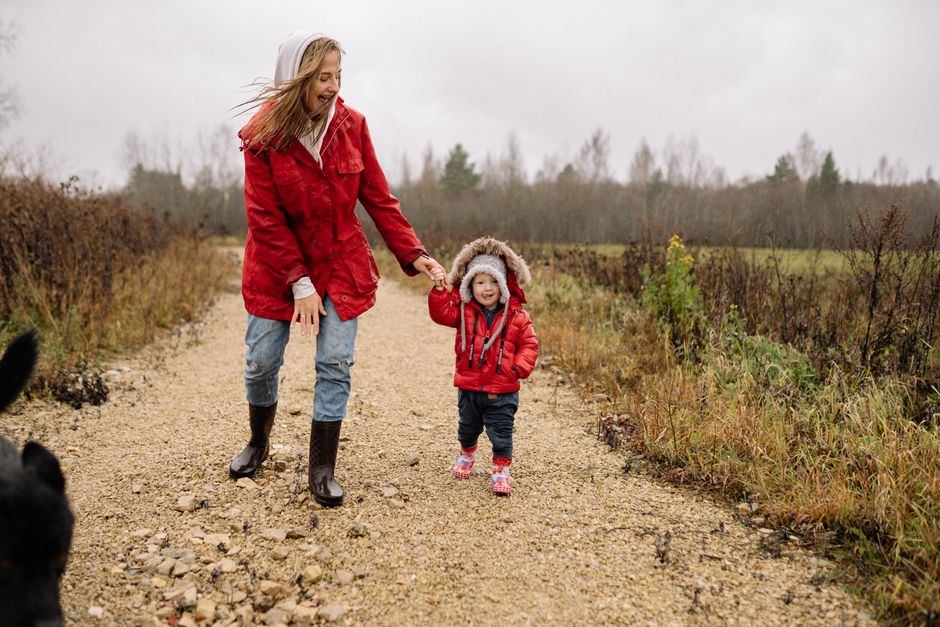
Bogs is not the only option. If your kid needs serious cold-weather performance, Kamik’s Snowbug line often beats Bogs on warmth per dollar. Kamik uses a removable thermal liner that you can dry separately, which solves the dampness problem Bogs has. The Snowbug costs $50–$60, about $20 less than the Bogs Classic High.
Sorel’s Youth Whitney is the fashion pick. It looks better with jeans and works for school. But the Whitney’s waterproofing stops at the lower rubber shell, and the upper is fabric. Snow gets in at the tongue. For actual winter play, Sorel is the weaker choice.
Buy Bogs if: your kid needs to get boots on independently, you deal with wet slush more than deep cold, and you want a boot that survives puddle-jumping. Buy Kamik if: you’re in Minnesota or North Dakota, your kid is outside for hours, and you need a liner you can pull out and dry. Buy Sorel if: the boot is mostly for school commutes and you care about how it looks with jeans.
- Bogs Kids Classic High ($75–$85): Best for wet, slushy conditions and independent dressing.
- Kamik Snowbug ($50–$60): Best for extreme cold and easy liner drying.
- Sorel Youth Whitney ($65–$75): Best for style, worst for deep snow.
The Break-In Period Nobody Mentions
Bogs don’t break in like leather boots. The rubber shaft softens slightly with body heat, but the boot fits on day one the way it will fit on day 60. That’s actually good news — no painful blisters from stiff leather. But it also means if the boot is uncomfortable out of the box, it won’t get better. Wear them around the house for 20 minutes before committing to a full day outside.
The neoprene liner has no break-in. It’s flexible from the start. The only thing that changes is the insole compressing, which makes the boot feel looser over time. That’s another reason to replace the insole early — it keeps the fit snug and the warmth consistent.
Verdict: Buy Them for the Right Kid
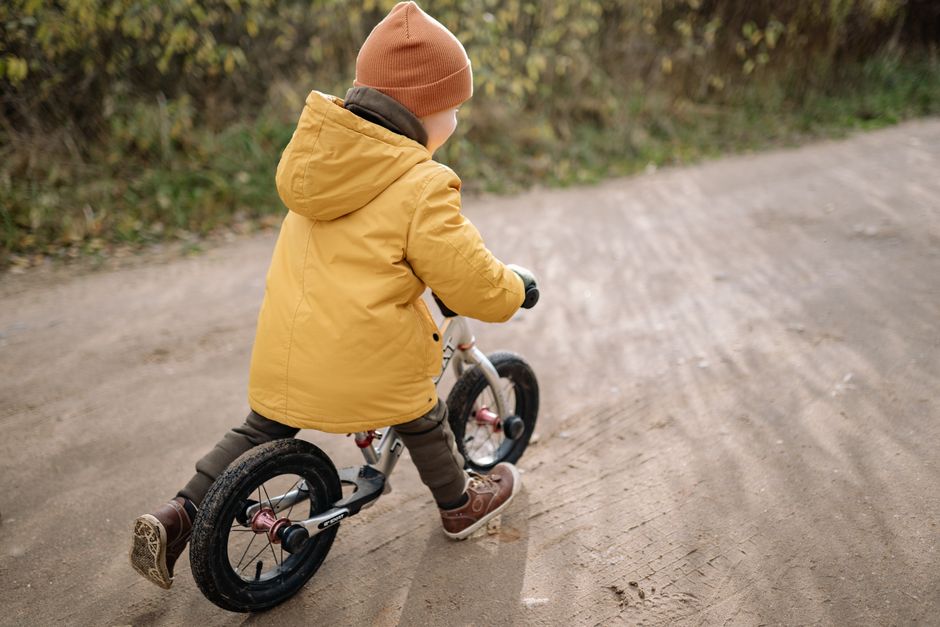
Bogs winter boots for kids are the best option for a specific child: the one who needs to get out the door without help, lives somewhere with wet winters, and doesn’t spend hours standing still in sub-zero temperatures. They are not the warmest boot on the market. They are not the most durable. But they solve the morning chaos problem better than anything else.
If your kid is seven and still expects you to put their boots on, Bogs will change your life. If your kid is twelve and waiting for the bus in -20°F wind chill, buy the Kamiks. And if you’re buying boots as a fashion statement, don’t buy winter boots at all.
That 7:40 AM scramble? With Bogs, your kid is out the door in 30 seconds. Just make sure you measured the foot, not guessed the size.