
Plus Size Dresses Quiz: Find Your Best Dress Shape
You have a wedding invite, dinner reservation, or closet full of clothes and nothing that feels right. The problem may not be your size. It may be the dress shape. Take this quick plus size dresses quiz, then use the result to choose a silhouette that suits your comfort, proportions, and personal style.
What Should a Plus Size Dress Quiz Measure?
A useful quiz should not tell you that one body shape is better than another. It should connect your real preferences to practical dress details. The best result comes from three factors: where you like a dress to fit, how much movement you need, and which parts of getting dressed cause the most frustration.
Start with comfort, not a body-shape label
Many shoppers begin with terms such as apple, pear, hourglass, or rectangle. Those labels can offer a starting point, but they cannot replace measurements or personal taste. A person with a fuller bust may prefer a loose shift dress. Someone with a defined waist may still choose a straight maxi dress because it feels easier to wear. Your ideal dress should give you room to sit, walk, bend, and breathe. Measure your bust, natural waist, and fullest hip area while standing normally. Do not pull the tape tight.
Identify the fit problem you want to solve
Think about your last disappointing purchase. Did the bust pull across the buttons? Did the waist sit too high? Did the skirt cling at the stomach? Did the armholes cut in? These clues matter more than a vague search for a “flattering” dress. A defined waist helps when you want shape. A straight or swing cut works better when you want less fabric touching your middle. A midi or maxi length can solve a hem problem, but only if the dress does not drag under your shoes. The quiz below turns these choices into a clear direction.
Take the Plus Size Dresses Quiz
Choose the answer that sounds most like you. Keep track of A, B, C, or D. Your most common letter points to your strongest starting silhouette.
- A: I like a dress to show my waist without feeling tight.
- B: I want easy movement and a forgiving fit for busy days.
- C: I enjoy bold sleeves, color, prints, or a dramatic hem.
- D: I prefer clean lines, polished details, and simple styling.
- A: I reach for wrap, belted, or tie-waist outfits first.
- B: I dislike zippers, stiff fabric, and dresses that need constant adjusting.
- C: I want the dress to make the outfit feel complete on its own.
- D: I want one dress to work for the office, dinner, and smart-casual events.
Mostly A means start with a wrap or fit-and-flare dress. Mostly B points to a shift, swing, or relaxed jersey style. Mostly C suits a statement maxi, tiered dress, or strong sleeve. Mostly D makes a structured midi, column dress, or neat shirt dress the best first try. A tie between two letters is useful. Pick the result that solves your biggest fit problem, not the result that sounds most fashionable.
Match Your Quiz Result to a Dress Silhouette
The shape of a dress controls where the eye sees structure, where the fabric moves, and how much adjustment the garment offers. Use this table as your shopping filter. It gives you a specific first choice instead of sending you through hundreds of dresses with no plan.
Your result and the strongest first option
| Quiz result | Best first silhouette | Useful details | Skip it when |
|---|---|---|---|
| A: waist definition | Wrap or fit-and-flare | Adjustable tie, V-neck, knee or midi hem | The tie opens when you sit |
| B: relaxed comfort | Shift or swing | Loose armholes, soft jersey, side pockets | You want a sharp waistline |
| C: visual impact | Tiered maxi or statement midi | Strong sleeve, print, texture, or movement | The fabric adds bulk where you dislike it |
| D: polished versatility | Column or shirt dress | Stable fabric, neat collar, lining, clean hem | The fabric pulls across the bust |
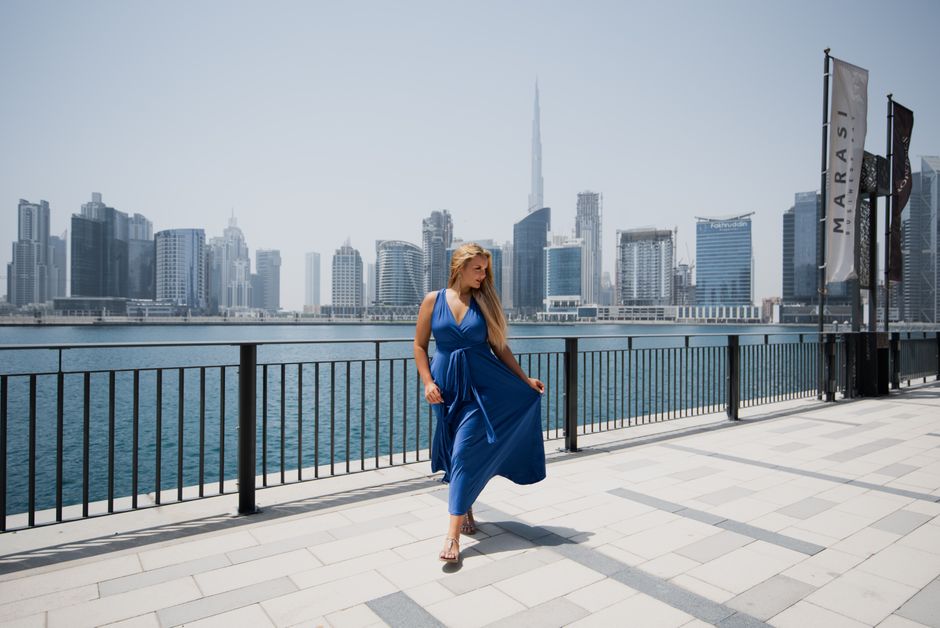
For most first-time shoppers, the strongest overall starting point is a stretch wrap dress. The waist tie gives adjustment, the V-neck creates a clear vertical line, and the skirt moves without the stiffness of tailored trousers. Choose an A-line or fit-and-flare shape instead when you want the waist to stay fixed. Choose a shift when your priority is comfort during travel, work, or long social events.
Fabric changes the result. Rayon-spandex jersey feels soft and moves well, but thin fabric may show every seam. Cotton blends hold their shape and feel cooler. Crepe creates a sharper look but may need more room at the bust. The right silhouette cannot rescue a fabric that feels scratchy, transparent, or too hot for the event.
Our Best Dress Examples for Each Result
Best overall result: choose the dress that solves your main fit complaint. A quiz is a direction, not a reason to buy a dress that fails at the bust, arms, or length. These real examples show how the result can translate into measurable details.
For A results: a waist that adjusts
The Catherines Curvy Collection Wrap Dress is the clearest example of a practical A result. It uses 95% rayon and 5% spandex, has a faux-wrap front, ruched side detail, three-quarter sleeves, and a regular front length of 43 inches. It is offered in 0X through 6X, with petite-plus options. The close fit makes it a strong choice for someone who wants shape, but it is not the best pick if you dislike cling.
For B, C, and D results: comfort, impact, or polish
For B, the Universal Standard Iconic Geneva Dress is the best example. Listed at $128, it runs from 00 to 40 and uses 93% Peruvian cotton with 7% elastane. Its asymmetrical hem and ruching add interest without requiring a belt. For C, the Good American Stretch Rib Maxi Dress offers an off-shoulder neckline, long sleeves, and ribbed knit fabric; the official listing showed $229 regular pricing and a $114.99 sale price in the checked listing, with sizes XS to 5XL. For D, Kiyonna’s Essential Wrap Dress is the better polished option at a listed $98, with a V-neck, three-quarter sleeves, and an adjustable tie. My winner for a first purchase is the Geneva Dress because it gives the widest size range and the least demanding fit.
Why the Right Shape Can Still Fit Badly
The quiz can point you toward a silhouette, but fit still depends on measurements, fabric, and construction. A dress can look perfect on a model and fail on you for a simple technical reason. Check these questions before blaming your body or the style.
Why does the bust pull?
The bust is often the first point of tension. If buttons gap, a wrap panel swings open, or the neckline falls away from your chest, size for the bust and adjust the waist with a tie or alteration. Do not size down to make the waist look neater. That creates strain across the entire front.
Why does the waist sit in the wrong place?
Empire seams and fixed waistbands can sit higher or lower than expected. Compare the garment’s shoulder-to-waist measurement with your own. A petite shopper may find a standard waist too low. A long-torso shopper may need a longer bodice. A soft tie waist is safer than a fixed seam when you are unsure.
Why does the skirt cling?
Static, thin jersey, and poor lining can make a good shape look uncomfortable. Test the fabric by sitting, walking, and raising your arms. If the hem twists or the fabric catches at the hips, choose a heavier knit, a lined woven dress, or one with a fuller skirt. The failure is in the construction, not in your body.
When to Skip a Wrap Dress

Wrap dresses are a strong first answer for many quiz results, but they are not universal. Skip a traditional wrap if you spend the day bending, lifting, or moving quickly and do not want to monitor the neckline. The front can shift, the tie can loosen, and the overlap may expose more leg than you expected.
Choose a faux wrap for secure coverage
A faux-wrap dress keeps the V-neck and waist effect but replaces the moving front panels with a fixed bodice. It is the better option for commuting, nursing, windy weather, or events where you will sit on low chairs. Look for a hidden snap, a stitched overlap, and enough fabric across the hip. A side zipper is fine if the fabric has at least 3% elastane or another source of stretch.
Choose a shift or column dress for the least adjustment
Choose a shift when comfort matters more than waist definition. Choose a column dress when you want a long, clean line and plan to add shape with a jacket or belt. Avoid a very thin column dress if you do not want it to show underwear lines or cling at the stomach. For most readers, the final verdict is simple: start with the quiz result, buy a faux-wrap or stretch A-line in your measured size, and choose the Universal Standard Iconic Geneva Dress when you want the safest all-day option.