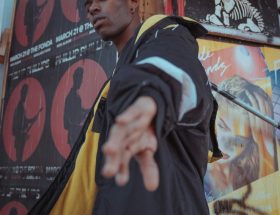

Fashion Faux Pas Bandit: Why the Disguise Stood Out
The Fashion Faux Pas Bandit was not a clothing trend or a fictional style character. It was a nickname given by investigators to an alleged bank robber in Washington state in 2009. The case still offers a useful fashion lesson: clothing meant to look ordinary can become memorable when the same visual signals appear again and again.
What the Fashion Faux Pas Bandit Name Meant
The phrase came from contemporary reports about an alleged serial bank robber linked to four robberies and one attempted robbery in the Seattle area. Investigators said the suspect often appeared in dark sunglasses and carried a dark backpack with an Olympic logo. The nickname was a sharp piece of visual shorthand. It suggested that the disguise was not polished enough to disappear. Instead, it had become part of the description.
Why an ordinary outfit can become a uniform
Clothing attracts attention through repetition. A dark jacket may be forgettable on its own. Dark glasses, a backpack, similar colors, and the same general silhouette can create a pattern. People may not remember every garment, but they can remember the combined shape. That is the central fashion point behind the case. A disguise does not need to be bright or unusual to stand out. It only needs a few repeated details that witnesses can describe.
Why the nickname still works
Faux pas usually means a social or style mistake. In this case, the label implied that the clothing choices defeated their own purpose. For fashion readers, the lesson is not about copying a disguise. It is about understanding how visual memory works. A look can fail because it is too distinctive, too consistent, or badly matched to its setting. The historical details come from contemporary Seattle reporting.
The Clear Verdict: A Disguise Is Not the Same as Invisible Style

The best everyday outfit is not the one with the fewest details; it is the one whose details make sense together. A plain black coat, dark sunglasses, and a black backpack may sound anonymous, but the combination can become more noticeable when it appears in the same place or setting. People read clothing as a complete picture, not as a shopping list, so repeated shapes and colors leave a stronger impression than one ordinary item would leave alone. That is why neutral dressing needs variation in texture, proportion, and function. A charcoal wool coat has a different visual weight from a black nylon shell, even when both look dark from a distance. A soft canvas tote creates a different outline from a rigid backpack. Small changes keep a practical wardrobe from looking like a fixed costume. The clear fashion verdict is simple: choose basics for comfort and coordination, then change the silhouette when the setting changes. Do not confuse low color contrast with low visibility. A look can be quiet and still have a recognizable signature.
Three Fashion Mistakes That Make an Outfit Memorable
The most useful way to study this case is to break the problem into repeatable mistakes. These errors show up in daily dressing, travel outfits, and workwear just as easily as they show up in dramatic stories.
- Repeating one strong accessory. A logo backpack, oversized sunglasses, bright watch, or unusual hat can become the item people remember. If the accessory is worn every day, it becomes a personal marker. Rotate it with a plain alternative when you want the clothes to stay in the background.
- Ignoring proportion. A close-fitting jacket over wide trousers creates a different outline from a relaxed jacket over straight jeans. Wearing the same oversized shape from head to toe can make an outfit look like a costume. Balance one loose piece with one cleaner line.
- Matching every detail too perfectly. Black shoes, black belt, black bag, black glasses, and a black coat may look controlled in a mirror but flat in real life. Add contrast through texture, such as cotton with leather or wool with nylon, instead of adding more logos or color.
These mistakes matter because style is read at a distance first. Fit, outline, and one repeated object arrive before fabric quality or brand knowledge. Fix those three signals before buying another statement piece.
What Familiar Basics Reveal About Visual Attention

Classic products are useful examples because many readers already recognize their shapes. The prices below are U.S. list or observed 2026 prices and can change by color, size, and promotion. They are style references, not affiliate recommendations.
| Item | Observed price | Recognizable detail | Fashion lesson |
|---|---|---|---|
| Levi’s 501 Original men’s jeans | $110 list; $84.95 sale | Straight leg, five-pocket layout | A familiar cut becomes memorable through fit and wash. |
| adidas Samba OG | $100 | Leather upper, three stripes, gum outsole | A low-profile shoe still has a strong visual code. |
| Ray-Ban Original Wayfarer Classic RB2140 | $191 | Acetate frame, 50-22 mm size | Frame shape can define a face before the outfit is noticed. |
| Nike Air Force 1 ’07 | $115 | Low-top shape with Air cushioning | White sneakers draw attention when the rest of the outfit is dark. |
| Uniqlo HEATTECH T-shirt | $19.90 | Thin base layer | Invisible layers help control bulk and keep the outer shape clean. |
The best choice for a quiet wardrobe is the least logo-heavy option that fits correctly. A Levi’s 501 can look anonymous in a dark wash or highly recognizable in a pale vintage wash. The adidas Samba OG can fade into a casual outfit in black, yet its serrated stripes still create a clear graphic. The Ray-Ban frame is the strongest identity signal in this table, so it deserves rotation. The point is not to avoid famous products. It is to understand which item is carrying the visual message.
How to Keep a Strong Fashion Item From Taking Over
Pick one memorable element and make the rest of the outfit support it. This is the cleanest way to avoid a fashion faux pas while still wearing recognizable pieces. If the sunglasses have a bold frame, keep the jacket collar simple and skip a competing logo. If the shoes have a bright color or unusual sole, use a calmer trouser and shirt combination. The eye needs one clear entry point.
Use contrast without creating noise
Contrast does not mean piling on more accessories. It can mean changing material or shape. Pair a smooth Nike Air Force 1 ’07 with textured denim. Wear the adidas Samba OG with trousers that break slightly above the shoe instead of stacking fabric over it. Use a slim Uniqlo HEATTECH layer beneath a jacket so the outer garment keeps its intended line. The result feels styled, not disguised.
Know when not to buy the famous version
Skip a recognizable item when it does not solve a real wardrobe problem. The Ray-Ban Original Wayfarer Classic is a poor choice if its 50-22 mm frame overwhelms your face or if you already own several bold glasses. The Levi’s 501 is not the right buy if you need stretch, a tapered ankle, or a softer rise. The clear verdict: buy the classic only when its fit and function work first. Brand recognition should be a bonus, not the reason for the purchase.
Fashion Faux Pas Bandit Questions, Answered
Was the Fashion Faux Pas Bandit a real fashion figure?
No. The phrase was an investigative nickname for an alleged criminal, not the name of a designer, influencer, or style movement. Its fashion relevance comes from the way clothing descriptions helped reporters and investigators explain the case.
What makes an outfit visually memorable?
Repetition creates memory. The strongest signals are usually a distinctive frame of sunglasses, a repeated bag, a strong logo, an unusual silhouette, or a fixed color combination. Fit also matters. A familiar item worn in an unusually precise way can become more recognizable than a louder piece.
How can readers avoid a fashion faux pas?
Check the full silhouette in a mirror, then remove one competing detail. Change accessories across the week, keep proportions balanced, and match the outfit to the setting. This is not financial advice. It is a practical style rule: buy fewer memorable pieces, wear them with better fit, and let the rest of the wardrobe stay flexible.
The Fashion Faux Pas Bandit nickname remains a reminder that clothes communicate before conversation starts. As fashion moves toward more personal uniforms and recognizable everyday basics in 2026, the smartest wardrobes will use consistency with enough variation to keep personal style intentional rather than repetitive.