Keen Hiking Sandals: What I Learned After Years on the Trail (2026)
I’ve been hiking in sandals for over a decade. From the deserts of Arizona to the humid trails of the Pacific Northwest, my feet have seen it all. Keen sandals have been a staple in my rotation, but not all models are created equal for serious trail use. You don’t want to make the same mistakes I did early on, so let me share what I’ve picked up.
What Most People Get Wrong About Hiking Sandals
When I see someone starting out, they often grab the first comfortable pair of sandals that looks rugged. That’s a huge mistake. Hiking sandals, especially those meant for varied terrain, need to be chosen with intent. It’s not just about comfort in the store; it’s about how they perform when you’re five miles deep on a rocky path, or crossing a chilly stream. Ignoring the details here means blisters, slips, and a miserable trip.
Ignoring Traction Specifications
People often assume all sandal outsoles are the same. They aren’t. You need to look at the rubber compound and, more importantly, the lug pattern and depth. A sandal might feel grippy on pavement, but take it onto wet rock or loose gravel, and you’ll know the difference immediately. I’ve learned that a multi-directional lug pattern is far superior for preventing slips, especially when moving downhill or traversing slopes. Keen’s proprietary non-marking rubber outsole is usually solid, but the specific lug design varies significantly between models. Don’t just check for ‘rubber’ — check for the actual pattern and depth designed for trail use.
Overlooking Arch Support
Another common oversight is neglecting proper arch support. Many casual sandals offer little to none, which is fine for a beach stroll but disastrous for a hike. Your feet take a pounding on the trail, and without adequate support, you’ll feel it in your arches, heels, and even your knees. I’ve had days ruined by inadequate support, leading to plantar fasciitis flare-ups. A good hiking sandal should offer a contoured footbed that cradles your arch, not just a flat piece of foam. This isn’t a luxury; it’s a necessity for any distance beyond a mile or two.
The Wet Weight Problem
A big one for me, especially here in the PNW, is how sandals perform when wet. Many models absorb water, becoming heavy and soggy, leading to chafing and blisters. You need quick-drying materials throughout the sandal – from the webbing to the footbed. A heavy, waterlogged sandal isn’t just uncomfortable; it’s a liability on slippery terrain. Look for sandals explicitly designed to shed water and dry fast, often indicated by terms like ‘H2’ in Keen’s naming convention, which means water-ready materials.
Understanding Keen’s Signature Toe Protection and Why It Matters
The first thing anyone notices about a Keen sandal is that big rubber toe bumper. It’s their signature, and for good reason. I can’t tell you how many times that bumper has saved my toes from roots, rocks, and unexpected trail debris. It’s a genuine for anyone who has ever stubbed a toe while hiking in open-toed sandals. This feature alone often makes Keen my go-to for trails where I want ventilation but not the full commitment of a closed-toe shoe.
The Patented Bumper Design
Keen’s patented toe protection isn’t just a gimmick; it’s a reinforced rubber cap that extends up and over your toes. This design shields your digits from direct impacts, which is crucial on rocky or root-strewn trails. Think of it as a hard hat for your feet. Without it, a misstep could easily mean a broken or severely bruised toe, ending your hike instantly. I’ve seen it happen to friends wearing lesser sandals. For me, the peace of mind knowing my toes are protected is worth the slightly bulkier profile.
When Open-Toe Fails
I used to hike in classic open-toe sports sandals. Never again for anything serious. While they’re breezy and light, they offer zero protection from the elements or accidental impacts. A stray rock, a protruding root, or even just kicking up some gravel can cause real damage. Open-toe sandals are great for casual walks or beach days, but for any trail with varied terrain, sharp objects, or uneven ground, they simply don’t cut it. The risk of injury is too high, and personally, I prioritize intact toes over maximum ventilation.
Toe Protection vs. Breathability Trade-off
Of course, there’s a trade-off. That toe bumper, while protective, does reduce overall breathability compared to a completely open-toed design. Your toes might feel a bit warmer. However, Keen designs often incorporate cut-outs and channels to mitigate this. For me, the increased safety and confidence on the trail far outweigh a minor reduction in airflow. If you’re hiking in extreme heat on completely smooth terrain, maybe an open-toe works, but for anything else, the Keen bumper is a non-negotiable feature for me.
My Absolute Top Pick for Mixed-Terrain Hiking (and Why I Stand By It)
If you’re asking me for one Keen sandal to rule them all for varied hiking, it’s the Keen Newport H2. Period. I’ve worn various iterations of the Newport for years, and the H2 version, specifically, consistently outperforms everything else for general trail use that includes water crossings or unpredictable weather. It’s not the lightest, nor the most minimalist, but it is the most reliable and versatile.
The Unbeatable Newport H2
The Newport H2 just hits all the right notes. The fit is secure, thanks to the bungee lacing system, which allows for quick adjustments. The webbing upper is polyester, meaning it dries incredibly fast, and the footbed is treated for odor control – a blessing on multi-day trips. The compression-molded EVA midsole provides excellent cushioning and support, which my feet appreciate after a few miles. It’s robust enough to handle rocky trails yet comfortable enough for long stretches of dirt path. I’ve personally put hundreds of miles on several pairs, and they hold up consistently.
Why the H2 Version Beats the Original
The original Newport is good, but the Newport H2 is better for hiking. The “H2” designation isn’t just for show; it means specific water-ready materials. The H2’s washable polyester webbing and quick-drying lining make a significant difference. The original Newport, with its leather components, takes longer to dry and can sometimes feel stiff after repeated soakings. If your hikes involve any water — streams, puddles, or even just heavy dew — the H2 is the clear winner for comfort, speed of drying, and preventing blisters from damp materials. The traction on wet surfaces also feels a bit more confident on the H2, likely due to slightly refined outsole compounds.
Price Point and Durability
You can usually find the Keen Newport H2 for around $120-$140. Yes, that’s a decent chunk of change for a sandal, but considering the durability, it’s an investment. My pairs typically last me 3-5 years of regular, aggressive use before the sole starts to wear down significantly or the webbing shows serious fatigue. That’s far better than cheaper alternatives that fall apart after a single season. The quality of stitching, the robust toe protection, and the lasting comfort make it worth every penny in my book.
Keen Sandal Comparison Chart: Weight, Grip, and Water Readiness

Here’s how some of the popular Keen hiking sandals stack up. This isn’t exhaustive, but these are the ones I’ve spent the most time in and can confidently compare.
| Model | Approx. Weight (pair, men’s 9) | Outsole Material | Lug Depth | Best Use Case | Approx. Price Range |
|---|---|---|---|---|---|
| Newport H2 | 28 oz / 794g | Non-marking rubber | 4mm multi-directional | Mixed-terrain hiking, water sports, all-around trail | $120 – $140 |
| Zerraport II | 24 oz / 680g | Non-marking rubber | 3mm multi-directional | Lighter trails, casual wear, travel, urban adventures | $100 – $120 |
| Arroyo II | 26 oz / 737g | Non-marking rubber | 4mm multi-directional | Rugged trails, wet conditions, hybrid shoe feel | $130 – $150 |
| Whisper H2 | 18 oz / 510g | Non-marking rubber | 2.5mm uni-directional | Light trails, casual walking, beach, urban exploring | $90 – $110 |
As you can see, the Newport H2 and Arroyo II share similar lug depths, which is a key indicator of their trail-worthiness. The Zerraport II shaves off some weight and lug depth, making it a good lighter option for less technical trails. The Whisper H2 is distinctly on the lighter, less aggressive side, great for casual use but not my pick for serious hikes.
Don’t Buy These Keen Sandals for Serious Hiking (Get These Instead)
Look, I love Keen. But some of their models are just not built for the abuse of real hiking. Specifically, I’d tell you to avoid the Keen Whisper H2 and the Keen Venice H2 if your goal is anything beyond a flat, well-maintained path or a walk on the beach. They are lighter, sure, but they sacrifice too much in terms of outsole grip, footbed support, and overall ruggedness. You’ll feel every rock, and traction on wet or loose surfaces is simply inadequate. Instead, spend the extra $20-$30 and get the Newport H2. The added stability and protection are absolutely worth it, preventing future headaches and potential injuries on the trail.
Footbed Comfort: What to Look For Beyond Just ‘Softness’
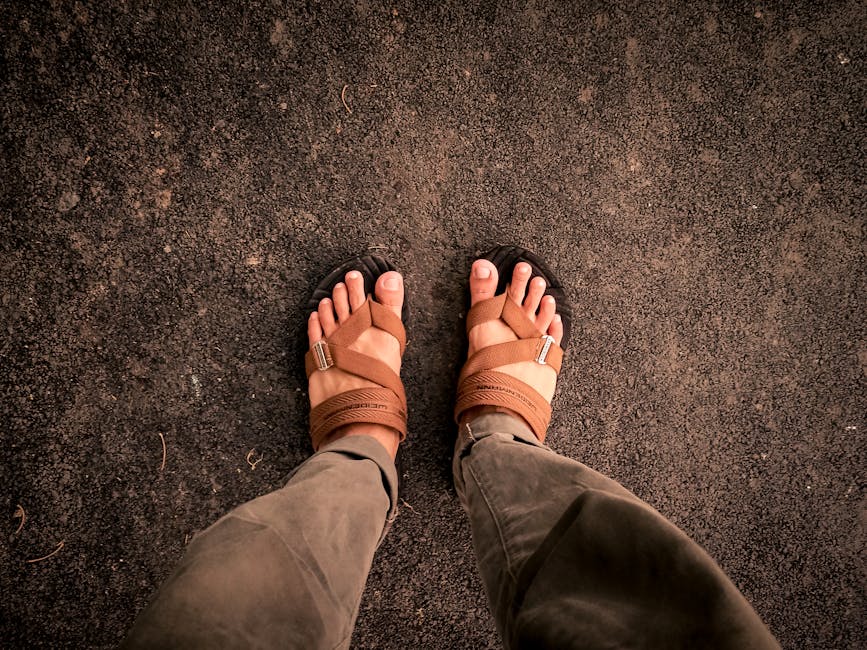
When it comes to the footbed of a hiking sandal, ‘soft’ doesn’t always mean ‘good.’ In fact, an overly soft footbed can lead to instability and fatigue on uneven terrain. What you really need is a balance of cushioning and firm support. I’ve learned to feel for specific contours and materials that actively support the foot, not just absorb impact. This is where the engineering really shines through in a quality hiking sandal.
The Importance of Metatarsal Support
Beyond arch support, I always look for a subtle metatarsal ridge or dome on the footbed. This small bump, located just behind the balls of your feet, helps to spread your toes naturally and relieve pressure on the metatarsal bones. It might feel a little odd at first if you’re not used to it, but over longer distances, it makes a huge difference in preventing forefoot fatigue and hot spots. Many high-quality hiking sandals incorporate this, and once you experience it, you’ll miss it in its absence.
Antimicrobial Treatment: A Must-Have
If you’re going to wear sandals for hiking, especially through water or in warm weather, antimicrobial treatment on the footbed is non-negotiable. Feet sweat, and damp environments are a breeding ground for bacteria that cause odor. A treated footbed, often with natural or synthetic agents, helps to inhibit this growth. Without it, your sandals will start to stink – and I mean really stink – after just a few uses. This isn’t just about politeness; it also prolongs the life of the sandal by preventing material degradation caused by bacterial buildup. Trust me, your hiking partners will thank you.
Finding Your Ideal Arch Height
Different people have different arch heights, and what works for one person might not work for another. While a good hiking sandal will offer general arch support, it’s worth trying on a few models to see which one best matches your foot’s natural contour. Too high an arch can cause discomfort and rubbing; too low and you lose the benefit. Many Keen sandals use a contoured EVA footbed that adapts well to a variety of foot types, but paying attention to how it feels under your arch specifically is key for long-term comfort and preventing overpronation or supination.
When to Choose a Hybrid Shoe Over a Sandal (Even a Keen One)
There’s a point where even the best hiking sandal, Keen or otherwise, can’t cut it. I’ve learned this the hard way. While sandals are fantastic for hot weather, water crossings, and lighter loads, they have their limitations. Sometimes, you simply need the full protection and support of a closed-toe shoe, even if it means sacrificing some ventilation. Knowing when to make that switch is crucial for safety and comfort on certain trails.
Protection vs. Breathability: Where Sandals Fall Short
No matter how good the toe bumper is, a sandal leaves most of your foot exposed. On trails with significant scree, sharp talus, or dense brush, this exposure can lead to scrapes, cuts, and annoying debris getting into your sandal. Furthermore, for colder weather or high-altitude hikes, sandals simply don’t offer enough thermal protection. I remember one alpine trip where I stubbornly wore sandals, and my feet were freezing by midday. A hybrid shoe or a dedicated hiking shoe offers 360-degree protection from the elements, abrasion, and unexpected encounters with snakes or sharp objects. Sometimes, the trade-off of less breathability for full protection is absolutely necessary.
Considering a Low-Cut Hiking Shoe for More Demanding Trails
For truly demanding trails, multi-day backpacking trips with heavy packs, or any terrain where ankle support is beneficial, a low-cut hiking shoe is the way to go. Brands like Keen themselves make excellent hiking shoes, such as the Targhee series, that offer superior stability, torsional rigidity, and impact protection. While a sandal excels in providing ventilation and quick drying, it can never replicate the comprehensive support and shielding of a proper shoe. When the trail gets rough, the mileage goes up, or you’re carrying a heavier load, I always opt for my hiking shoes. It’s about matching the footwear to the demands of the specific adventure, not trying to force a sandal into a situation it’s not designed for.