Combatting aging: what can men do to retain their youth?
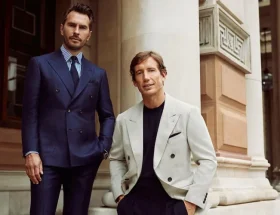
You’re standing in a friend’s wedding photo, and you look a decade older than the guy next to you who’s the same age. Same hairline, roughly the same diet — but something’s clearly off. Nine times out of ten, it comes down to three things: sun damage accumulated over years, a skincare routine that doesn’t exist, and muscle mass you’ve quietly been losing since your mid-thirties.
Most visible aging in men is controllable. Not reversible entirely — but very much slowable, and preventable going forward. The frustrating part is that the gap between men who age well and men who don’t is rarely genetics. It’s habits.
Sun Damage Is the Biggest Driver of Male Aging — and Most Men Ignore It
SPF is the single highest-ROI anti-aging habit a man can build. Nothing else comes close. Not retinol. Not expensive serums. Not facials. UV radiation is directly responsible for up to 80% of visible facial aging — the lines, the leathery texture, the uneven pigmentation. And because most men never wear sunscreen, they’re accelerating skin aging faster than almost anything else they do.
The objection I hear most: sunscreen feels greasy, leaves white cast, smells like a beach vacation you didn’t take. That was true of older formulas. Modern mineral-chemical blends are genuinely invisible and lightweight.
Which SPF Formula Works for Men
The EltaMD UV Clear SPF 46 (~$40) is where I’d start. It’s lightweight, absorbs in seconds, and contains niacinamide, which helps with redness and uneven tone on top of UV protection. No white cast on most skin tones. For a drugstore pick, Neutrogena Ultra Sheer Dry-Touch SPF 100+ (~$14) is genuinely excellent — it dries matte and disappears completely. CeraVe Hydrating Mineral Sunscreen SPF 50 (~$16) is the right call for dry or sensitive skin, since the ceramide base prevents that tight feeling by midday.
SPF 30 is the minimum. SPF 50 is better. Apply every morning, year-round. Clouds block UVB but not UVA — the rays that break down collagen happen even on overcast days in January.
How to Make SPF a Daily Habit
Put the sunscreen next to your toothbrush. Apply it as the last step in your bathroom routine, before you walk out the door. Two pumps, 30 seconds. The men who say they forget are the ones who keep it in a cabinet. Make it unavoidable.
For midday reapplication when you’re outside for extended periods, a powder SPF like Supergoop! (Re)setting 100% Mineral Powder SPF 35 (~$38) goes over skin without disrupting anything. Takes ten seconds. Fits in a jacket pocket. Not mandatory for normal office days, but worth having if your job or schedule puts you outside regularly.
The Skincare Routine Men Actually Need
Most men are either doing nothing or buying a shelf full of products they don’t understand. Both approaches fail. You need four products in the morning and three at night, applied consistently. The routine below costs under $100 total and is based on ingredients with actual clinical backing.
Morning Routine: 4 Steps, Under 5 Minutes
| Step | Product | Approx. Price | What It Does |
|---|---|---|---|
| 1. Cleanser | CeraVe Hydrating Cleanser | ~$16 | Cleans without stripping — a damaged barrier causes premature lines |
| 2. Vitamin C Serum | TruSkin Vitamin C Serum | ~$20 | Brightens tone, supports collagen production — apply AM only, not PM |
| 3. Moisturizer | Neutrogena Hydro Boost Water Gel | ~$20 | Lightweight, hyaluronic acid formula holds moisture throughout the day |
| 4. Sunscreen | EltaMD UV Clear SPF 46 | ~$40 | Non-negotiable UV protection — covers UVA and UVB daily |
Evening Routine: Where Retinol Fits In
Night routine: gentle cleanser again, retinol, heavier moisturizer. Three steps, ten minutes maximum.
The Ordinary Retinol 0.5% in Squalane (~$10) is the starting point. Retinol is the most evidence-backed anti-aging ingredient that exists outside of prescription tretinoin. It accelerates cell turnover, reduces fine lines, and actually thickens the dermis over time. Start two nights a week. Your skin needs to adjust. Men who try it once and quit did too much too fast and hit the irritation wall before the benefits showed up.
If 0.5% is too aggressive initially, start with The Ordinary Retinol 0.2% (~$8) for six to eight weeks, then step up. Results are slow — expect three months before the change is obvious. They’re also real and well-documented.
For the night moisturizer, CeraVe Moisturizing Cream (~$16, the tub) is as effective as products four times the price. Ceramides repair the skin barrier while you sleep. That’s the job, and that product does it well.
Sleep Debt Ages You Faster Than Anything in a Bottle
Six hours of sleep isn’t a badge of productivity. Chronic sleep deprivation raises cortisol, breaks down collagen, and creates persistent puffiness around the eyes that no eye cream can touch. Seven to nine hours is a biological requirement — not a preference. Sort this before spending a dollar on serums or supplements, because everything else on this list works better when you’re actually sleeping.
Why Exercise Is the Best Anti-Aging Tool You Have
Forget the face for a moment. What separates a man who looks 38 at 50 from a man who looks 60 at 50 is almost always body composition. How much muscle he’s carrying. Where his fat sits. How he stands.
After 30, men lose 3–5% of muscle mass per decade without resistance training. That loss is visible before it’s measurable. Clothes stop fitting right. Posture shifts. The face begins to look hollowed because the neck and jaw muscles supporting it have atrophied. A skincare routine cannot fix this. Nothing topical can.
Strength Training vs. Cardio for Anti-Aging
Cardio has real benefits — cardiovascular health, mental clarity, improved longevity markers. But if you’re choosing between cardio and lifting for looking and feeling younger, lift weights. Muscle mass is metabolically active, supports testosterone levels, improves insulin sensitivity, and changes your body’s shape in ways that visibly signal health and youth. Cardio won’t do that on its own.
Three days a week of compound movements — squats, deadlifts, bench press, barbell rows, overhead press — is enough. You don’t need five days a week in the gym. You need to be consistent over years, not intense over months before giving up.
Protein Targets That Actually Matter
Most men don’t eat enough protein to maintain muscle as they age. The research is clear: aim for 0.7–1g of protein per pound of bodyweight per day. A 180-pound man needs roughly 130–180g daily. If you’re not tracking, you’re almost certainly under that number and losing muscle you can’t see going.
Hit this through food first: chicken breast, eggs, Greek yogurt, cottage cheese, salmon, lentils. If you’re consistently falling short, a plain whey protein concentrate fills the gap — it’s inexpensive, effective, and has more research behind it than almost any product in the supplement industry. Don’t overcomplicate it.
How Fat Distribution Changes With Age
Visceral fat — the kind that sits around your organs and pushes out your midsection — increases with age and drives accelerated aging, lower testosterone, and higher systemic inflammation. This is the fat that makes a 45-year-old look soft and older than he is. And it responds well to resistance training.
The men who say their metabolism slowed down are usually the ones who stopped lifting and kept eating the same way. The metabolic slowdown is real — but it’s primarily caused by muscle loss, not age itself. Rebuild the muscle, and the metabolism largely follows. This is the thing most men miss entirely.
Diet Questions Men Actually Search for Answers To
Does sugar actually cause wrinkles?
Yes. The process is called glycation — excess glucose molecules bind to collagen and elastin fibers, making them rigid and brittle. The damage shows up as sagging skin and deeper lines, especially around the mouth and eyes. You don’t need to eliminate sugar. But chronic high-sugar diets accelerate this damage measurably. The highest-leverage swap: cut sugary drinks first. Soda, juice, energy drinks with added sugar. The impact is significant and the switch costs nothing.
Which supplements are actually worth buying?
Short list of what has real evidence behind it:
- Creatine monohydrate (~$20–$30/month): Supports muscle retention with decades of research behind it. Emerging data on cognitive aging too. One of the most studied compounds in existence.
- Vitamin D3 + K2 (~$15/month): Most men in northern latitudes are deficient, especially in winter. Affects mood, testosterone production, and immune function. Get your level tested — deficiency is common and easy to fix.
- Collagen peptides (~$30–$40/month): More evidence than it used to have — decent data on skin elasticity and joint health over 12+ weeks of consistent use. Not magic, but not negligible.
- Omega-3s (EPA/DHA) (~$20/month): Anti-inflammatory, supports skin barrier function, established cardiovascular benefits. Look for at least 1g combined EPA+DHA per serving.
Skip the proprietary anti-aging blends. They’re mostly combinations of the above with inflated margins, a premium package, and celebrity endorsement costs baked into the price.
Should I cut alcohol to slow aging?
Alcohol dehydrates skin, disrupts sleep architecture, raises cortisol, and drives systemic inflammation. Regular heavy drinking shows on your face — puffiness, broken capillaries, dull tone. It’s not subtle, and it compounds over years. You don’t have to become abstinent. But if you’re drinking four or more nights a week and wondering why your skin looks rough and your recovery from workouts has stalled, that’s your answer. Two or fewer nights a week, well hydrated around it, and the damage drops to negligible for most men.
The Grooming Details That Signal Your Age
These aren’t vanity. They’re maintenance. The difference between a man who looks great for his age and one who doesn’t often comes down to small habits that take five minutes or less each week. Most men skip all of them.
- Update your hair product. Heavy gels and hard waxes read as dated immediately — they’re an instant timestamp. American Crew Fiber (~$18) delivers a matte, natural hold that works on most hair types without the shellacked look. For thinning hair, PURA D’OR Anti-Thinning Biotin Shampoo (~$30) has the most consistent user data of any OTC option before considering minoxidil or prescription routes.
- Manage your eyebrows. After 35, brow hairs go rogue — random long strays above the brow line or between the brows. A pair of small grooming scissors and five minutes every two weeks handles this completely. This single habit changes how put-together a man looks in photos. Most men haven’t made this change yet.
- Deal with ear and nose hair. Get a dedicated trimmer — the Panasonic ER-GN30-K (~$20) has been reliable for years and is worth owning. Use it weekly. Past 40 this is non-negotiable, not optional.
- Moisturize your neck and hands. Men moisturize their face and ignore everything below the jaw. Neck skin is thin and shows age fast. Bring whatever face moisturizer you’re already using down to your collarbone every morning. For hands, Kiehl’s Ultimate Strength Hand Salve (~$22) is the best product in this specific category — hands that look 20 years older than your face undermine everything else.
- Fix your posture. Forward head position, rounded shoulders, compressed torso — these add years to how you look standing still and in every photo ever taken of you. Face pulls, thoracic mobility work, and deliberate awareness of how you sit and stand correct this over months. It’s slow. It’s free. And the cumulative effect is more visible than most skincare changes.
The man in that wedding photo who looked a decade older? He hadn’t worn sunscreen in years, slept six hours a night, had lost 15 pounds of muscle he didn’t notice going, and was still using the same hair product from his twenties. None of that is a single dramatic failure. It’s the slow accumulation of small neglects — and the correction works the same way, in reverse: one habit at a time, compounding quietly over months until someone asks what you’ve been doing differently.