July Linen Mixes That Do Not Wrinkle: July Linen Mixes That Resist Wrinkles
Pure linen is not the only way to dress cool in July, and it is not the best choice when you need a shirt or pair of trousers to look pressed after six hours outside. The common mistake is treating any fabric with the word linen on the label as equally breathable, stable, or easy to wear. A 100% linen shirt can crease faster than a linen-viscose blend, while a heavy linen-cotton pair of trousers can stay tidy but feel too warm in direct sun.
That promise does not hold up in real heat.
Why linen wrinkles so quickly in July
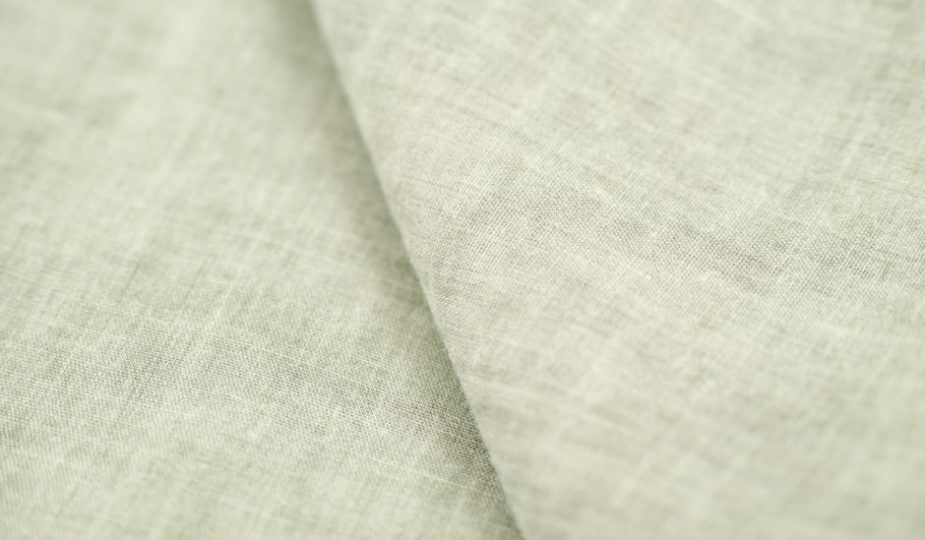
Linen comes from flax fibers. Those fibers are strong, breathable, and good at moving moisture away from the skin, but they have low elastic recovery. In plain language, linen bends easily and does not spring back quickly. Sit in a car, lean against a café table, or tuck a shirt into high-waisted shorts, and the folded areas keep a visible memory of that movement.
What wrinkle resistance really means
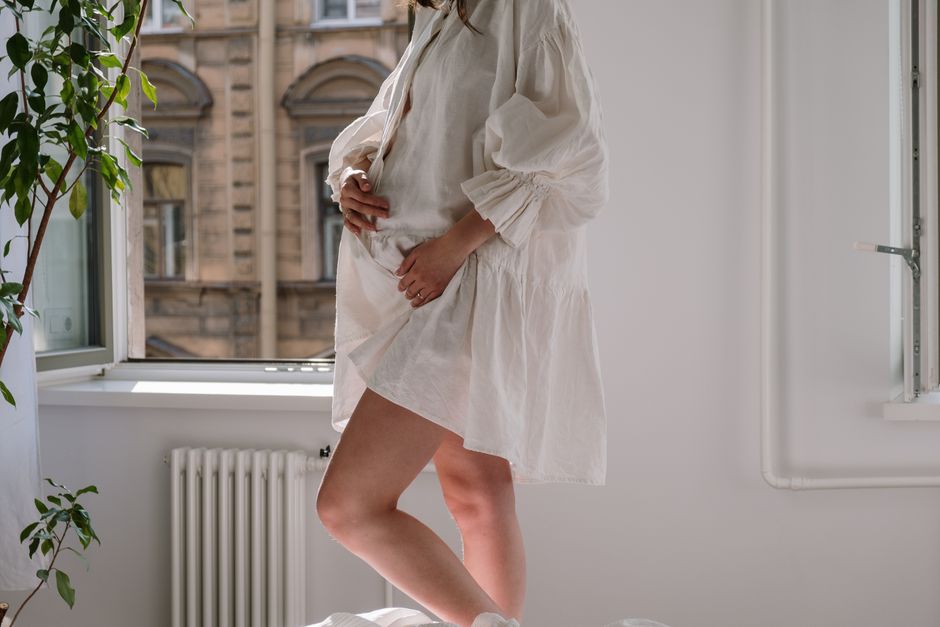
Wrinkle resistance means a garment develops softer, less obvious creases instead of sharp lines across the stomach, elbows, or backs of the knees. It does not mean the garment stays flat. A linen blend still needs sensible washing, drying, and storage. The best July fabrics hide normal movement through texture, drape, or a loose silhouette.
Viscose, TENCEL lyocell, cotton, and a small amount of elastane can change the way linen behaves. Viscose and lyocell add fluid drape. Cotton adds body and a dry hand. Elastane helps a garment recover after stretching, though a high percentage can make summer trousers feel less airy. The fiber percentages matter more than the word blend printed on the front of a product page.
The best starting ratio for hot-weather clothes
For a shirt or relaxed dress, start by looking for roughly 25% to 50% linen combined with viscose, lyocell, or cotton. This range keeps a clear linen feel while reducing the hard, crumpled look of pure flax. For trousers, a blend near 25% linen and 75% TENCEL lyocell can give a smooth drape, while a 40% linen and 60% cotton fabric usually looks crisper and more casual.
My verdict is direct: for July travel, choose 30% to 45% linen with a second fiber that adds recovery. Save 100% linen for loose shirts, beach layers, and outfits where relaxed creasing is part of the look.
Which linen blend works best for your July plans?
Use the table as a buying filter.
Blend comparison
Best overall choice: 25% to 45% linen with lyocell, viscose, or cotton. That range gives you a visible linen character without asking the fabric to do something its fibers cannot do.
How to buy and pack linen mixes without ruining them
Use this five-step process before you add anything to your July wardrobe.
- Read the fiber label. Do not stop at linen blend. Write down the percentages. For the lowest-maintenance shirt, look for at least 50% cotton, viscose, or lyocell alongside the linen. For trousers, a fabric with 20% to 35% linen often gives the best balance of air flow and shape retention.
- Check the fabric weight by touch. Hold the garment away from your body and squeeze one section for five seconds. A very thin fabric that stays crushed in your hand will look rumpled quickly. A medium-weight fabric should loosen when you release it. Avoid heavy, dense cloth if your July weather is humid.
- Choose relaxed structure. A close-fitting linen shirt shows every crease across the bust and stomach. A straight or boxy cut leaves room for the fabric to hang. For trousers, choose a flat front, a back welt pocket, and a leg that does not press tightly against the knee.
- Pack by rolling only when the garment is soft. Roll loose shirts and dresses around a thin cotton tee. Fold tailored trousers along the pressed crease, place tissue paper between large folds, and put them at the top of the suitcase. After arrival, hang each item in the bathroom while a hot shower runs for ten minutes, then smooth the seams by hand.
Its shaped leg is easier to dress up than a drawstring style, but the structured cut makes knee creases more visible. Pick it for dinners and offices, not for a long day of airport sitting.
Do linen blends stay cool when the temperature rises?
Does a lower linen percentage mean less breathability?
Not automatically. A 30% linen and 70% lyocell fabric can feel cooler than a dense 60% linen and 40% cotton fabric because the weave, weight, and fit control air flow too. Look for an open weave, a loose cut, and enough room between the cloth and your skin. A tight synthetic lining can cancel out the benefit of a breathable outer fabric.
Should you buy linen blends for a long commute?
Yes, but choose a blend with lyocell or cotton and avoid a narrow pencil skirt or slim trouser. A relaxed straight leg gives the fabric space to fall after you stand up. If you sit for more than an hour, smooth the waistband and upper thighs before leaving the seat. A quick pass with a travel steamer works better than ironing a completely dry garment.
When should you skip linen altogether?
Skip it for a formal event where a crisp finish must last from morning to midnight, especially if you cannot access a steamer. A lightweight wool tropical suit, cotton poplin, or a polished crepe fabric will hold a cleaner line. Skip a pale, loosely woven blend if you need full opacity without a slip. Also avoid a linen-viscose dress for heavy rain because viscose can become weak and lose its shape while wet.
The clear answer is that linen blends are best for breathable, relaxed polish. They are not the right tool for a no-crease dress code.
The July formula I would actually buy

Buy the blend first, then choose the silhouette. My strongest recommendation for July is a 25% to 45% linen fabric with lyocell, viscose, or cotton, cut loose enough that the cloth can fall away from the body. This combination handles heat, reduces sharp creases, and still looks like summer clothing instead of ordinary office fabric.
Choose the COS linen-lyocell trousers when you need the most polished result. Choose the J.Crew linen-blend barrel-leg pants when you want a structured shape and can accept some knee creasing. Choose the Quince 100% European Linen Long Sleeve Shirt when low cost, airflow, and easy layering matter more than a smooth finish. The Quince shirt is not a failure; it simply belongs to the relaxed end of the linen scale.
Wash any of these garments on a cool, gentle cycle when the label allows it. Remove them while damp, shake them once, smooth the placket and side seams, and hang them on a wide hanger. Do not twist linen blends into a tight ball, and do not leave them sitting wet in the machine. Those two habits create more ugly creasing than the fiber mix itself.
So when the July plan starts with a packed suitcase and the fear of looking crumpled by lunchtime, do not abandon linen. Pick a measured blend, give it a roomy cut, pack it with tissue, and smooth it while damp. The result will still look lived-in, but it will no longer look like the garment lost a fight with the suitcase.