Best Hiking Boots Under £100: A No-BS Fit Guide
What £100 should buy you in a hiking boot
The best hiking boots under £100 are simple, well-fitting mid boots with a grippy sole and honest weather protection. You do not need a stiff mountaineering boot for woodland paths, canal towpaths, muddy parks or a weekend in the Peak District. You need enough structure to keep your heel stable, enough room for your toes to spread, and a sole that does not turn slippery when the ground gets wet.
Look for grip before branding
At this price, the outsole matters more than a famous logo. Look for rubber lugs that reach across the forefoot and heel, with a clear pattern rather than a flat trainer-style base. A midsole made from EVA or Phylon should soften heel strikes without feeling spongy. A raised toe bumper also helps when loose stones catch the front of the boot. These details improve comfort and give the boot a more purposeful shape with jeans, cargo trousers or leggings.
Waterproof does not mean dry in every condition
A waterproof membrane can block rain and shallow puddles, but it cannot stop sweat building up inside a warm boot. Synthetic uppers often feel lighter and dry faster than leather. Leather can look smarter and resist scuffs, but it needs care and usually takes longer to dry. For regular British day walks, choose breathable waterproofing and a padded collar. For dry summer trails, a non-waterproof boot may feel cooler and weigh less.
Five budget boots worth comparing in 2026
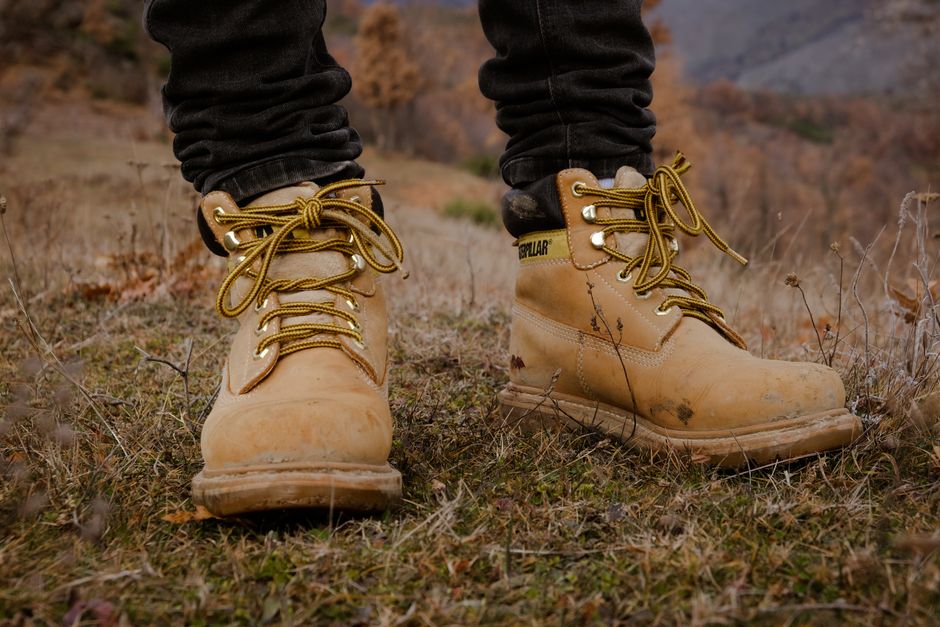
Prices change with colour, size, sales and membership schemes, so treat the figures below as UK price snapshots rather than permanent promises. The strongest overall choice is the Decathlon NH500 waterproof walking boot because it combines a waterproof membrane, 4mm snow-grip studs and an everyday shape at £49.99.
Quick comparison by use
| Boot | Price snapshot | Best for | Key detail |
|---|---|---|---|
| Decathlon NH500 Waterproof | £49.99 | Wet everyday walks | Waterproof membrane and 4mm studs |
| Decathlon NH500 Leather WP | £49.99 | Smart casual outdoor style | Leather upper and waterproof build |
| Karrimor Mount Mid | £39.99 | Muddy park and trail use | WeatherTite lining and DynaGrip sole |
| Regatta Holcombe IEP Mid | £39.97 sale price | Women’s day hikes | ISOTEX membrane and DuoGrip outsole |
| Mountain Warehouse Adventurer | £34.99 sale price | Light walking and dog walks | Synthetic upper and deep-lug outsole |
Where the shortlist separates
Pick the NH500 Leather WP for the most polished look with a winter coat or straight-leg denim. Choose the Karrimor Mount Mid when traction and a traditional hiking silhouette matter more than low weight. The Regatta Holcombe IEP Mid gives women a supportive mid-cut shape with a generous toe area. The Mountain Warehouse Adventurer wins on price, but its entry-level construction suits paths and day trips better than long, rocky hikes. Sale prices can disappear quickly, so check the final size and colour total before treating any deal as a bargain.
How to get the fit right before the first hike
Fit decides if a cheap boot becomes a reliable wardrobe staple or an expensive blister machine. Try boots , when feet have expanded slightly. Wear the socks you plan to hike in, not thin cotton trainer socks. Your heel should stay planted when you walk downhill, while your toes should move freely without touching the front.
Use the downhill test
Stand on a step with your toes pointing forward and lace the boot firmly around the ankle. Your heel should not lift more than a few millimetres. Walk down a slope or ramp for five minutes. If your toes hit the front, the boot is too short or the lacing does not hold your heel. Do not assume a bigger size will solve the problem; extra length can let your foot slide and create more friction.
Check width, volume and sock space
Press your thumb across the widest part of the foot. The upper should touch your foot without squeezing it. Your little toe should not curl under pressure, and the sides should not bulge over the sole. Leave enough room for a medium hiking sock, but do not leave a large empty pocket around the heel. A removable insole helps if you need more volume or want to add an orthotic.
Break boots in with short walks
- Wear the boots indoors for 30 minutes on two separate days.
- Take a flat 30 to 45-minute walk before attempting hills.
- Inspect your heels, arches and little toes after each walk.
- Stop if hot spots appear, then adjust the lacing or change socks.
The correct fit should feel secure from the first walk. Leather may soften, but a boot that pinches or slips will not transform into a good fit.
For each type of walk, choose one clear winner
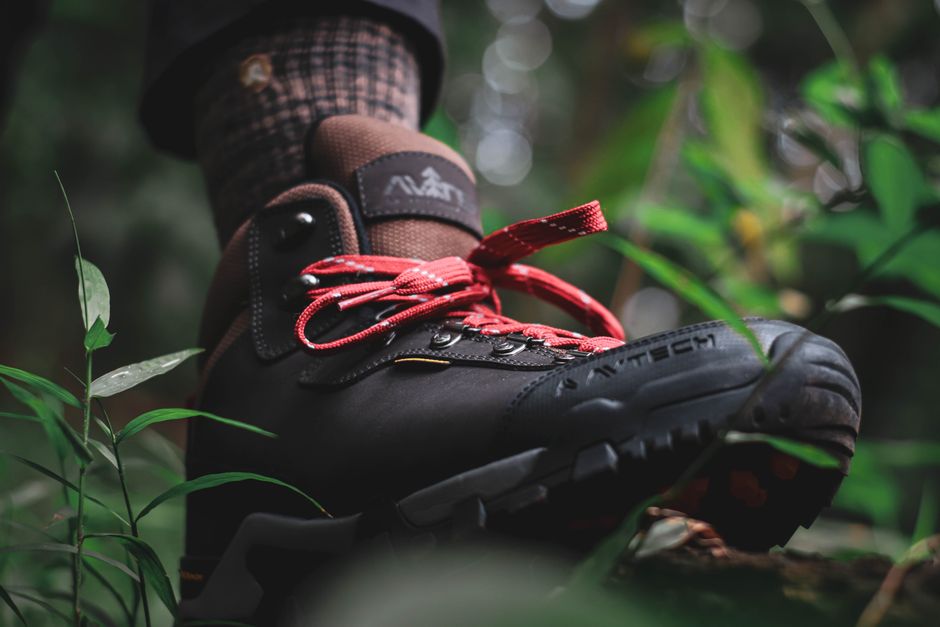
For wet city-to-trail walking, the Decathlon NH500 Waterproof is the best choice because its waterproof lining and 4mm studs offer useful protection without the heavy feel of a winter boot; for a smarter outfit with a waxed jacket or dark denim, the Decathlon NH500 Leather WP wins because its leather upper looks less sporty while still handling rain; for women who want ankle coverage and room around the forefoot, the Regatta Holcombe IEP Mid is the strongest pick because its padded collar, ISOTEX membrane and DuoGrip tread cover the needs of ordinary UK day hikes; for muddy dog walks on a tight budget, the Mountain Warehouse Adventurer makes the most sense at £34.99 because its deep lugs and synthetic upper are easy to clean; for a more traditional hiking shape with a firm, planted feel, choose the Karrimor Mount Mid at £39.99, but accept that it may feel warmer and less flexible than a lightweight trail shoe.
Where budget hiking boots fail
Low prices do not create a problem by themselves. The trouble starts when shoppers ask one boot to handle every surface, every season and every distance. A £35 boot can work well for a two-hour walk, yet struggle on a steep, wet route with a loaded backpack. Matching the boot to the job protects your feet and your money.
Common mistakes that shorten boot life
- Buying only by waterproof labels: waterproof fabric cannot rescue a boot with poor fit, weak heel hold or a smooth outsole.
- Ignoring sole stiffness: a very soft sole feels comfortable in a shop but can tire your feet on rocky ground.
- Drying boots on a radiator: direct heat can crack leather, weaken glue and distort synthetic panels.
- Wearing cotton socks: cotton holds moisture against the skin and increases rubbing during long walks.
- Keeping dirty boots in storage: dried grit damages the upper and mud can harden around the laces and seams.
When not to buy a budget boot
Skip a sub-£100 boot if you plan technical scrambling, winter routes with ice, multi-day treks carrying a heavy pack or high-altitude travel. Those situations need a stronger shank, more precise edging and better insulation than most entry-level walking boots provide. Choose a specialist trekking boot instead, even if that means buying during an end-of-season sale or choosing a lightly used pair. Also avoid a waterproof boot for hot, dry walking if your feet run warm; a breathable trail shoe can reduce sweat, weight and fatigue. The right alternative depends on terrain, not the colour or the size of the discount.
Hiking boot questions shoppers still get wrong
Are hiking boots under £100 good enough for the UK?
Yes, for local paths, forest trails, hills, parks and most one-day walks. The Decathlon NH500 Waterproof, Karrimor Mount Mid and Regatta Holcombe IEP Mid all provide the basic mix of grip, cushioning and weather protection needed for ordinary British conditions. Check the sole and fit before buying. A cheap boot with a stable heel is safer and more comfortable than an expensive boot that slips.
Should hiking boots feel tight when new?
No. They should feel secure, not squeezed. Your heel needs firm contact, but your toes need space to move and swell. Try them with hiking socks and test them downhill. If your toes touch the front during that test, return the boots rather than hoping they will stretch. Most boots soften across the upper; they do not become longer.
Can you wear hiking boots as everyday fashion shoes?
Choose a low-profile leather or dark synthetic pair for the easiest styling. The Decathlon NH500 Leather WP works with straight-leg jeans, utility trousers and a long quilted coat, while the Karrimor Mount Mid suits cargo trousers and relaxed knitwear. Avoid wearing heavily lugged boots with delicate tailored clothing unless the contrast looks intentional. For a wardrobe that moves between pavement and trail, the smartest choice is a waterproof mid boot in black, brown or muted khaki with a clean upper.