Best Hoodies Karachi 2026: Expert Guide to Local Brands and Fabric Quality
You are sitting at a roadside dhaba in DHA Phase 6, the steam from a cup of doodh patti rising into the night air. A sudden gust of wind sweeps in from the Arabian Sea, carrying that specific, salt-tinged chill that characterizes a Karachi December. It isn’t the bone-dry, freezing cold of Lahore or Islamabad, but a humid, creeping dampness that demands a very specific kind of insulation. You reach for your hoodie, but if it’s a cheap, thin polyester blend, the wind cuts right through the knit. If it’s too heavy, you’re sweating the moment you step inside a crowded cafe. Finding the right balance in this city is a technical challenge as much as an aesthetic one.
Karachi occupies a unique position in the global textile landscape. As the country’s industrial backbone, the city is literally surrounded by the factories that produce garments for the world’s most recognizable high-street labels. Yet, for years, local consumers were left with the scraps—literally. We navigated the dusty bins of Zainab Market or the cramped stalls of Rex Center, hunting for ‘export leftovers’ that may or may not have a crooked seam or a missing tag. Things have changed. A new wave of domestic brands has emerged, leveraging that same industrial expertise to create hoodies that rival, and often surpass, international fast-fashion standards. This shift requires a deeper look at what actually constitutes a ‘best’ hoodie in the local context.
The Evolution of Karachi’s Hoodie Market: From Export Leftovers to Original Labels
For decades, the search for the best hoodies in Karachi began and ended with the export surplus market. The logic was simple: if a factory produced 10,000 hoodies for a brand like Gap or Zara, they would inevitably have a few hundred units of overstock or minor ‘B-grade’ pieces. These would trickle down to local markets. While this provided access to high-quality fabrics at a fraction of the price, it lacked consistency. You could never be sure of the fit, and the designs were dictated by Western trends that didn’t always translate to the streets of K-Town.
The current landscape is defined by the professionalization of the local supply chain. Brands are no longer just selling what’s left over; they are designing from the ground up. This involves sourcing specific yarn counts, experimenting with garment dyes, and refining silhouettes for the South Asian physique. We are seeing a move toward ‘heavyweight’ streetwear—hoodies that utilize 300 to 400 GSM (grams per square meter) fabrics. This density is crucial because it provides the structure that cheaper, lighter hoodies lack. A hoodie that holds its shape after ten washes is the new benchmark for quality in the city’s burgeoning fashion scene.
And then there is the cultural element. Karachi’s youth are increasingly looking for ‘homegrown’ identity. The best hoodies now often feature local typography, references to the city’s chaotic geography, or collaborations with local artists. This isn’t just about warmth anymore; it’s about a specific urban uniform that reflects the grit and vibrancy of the metropolis. The market has bifurcated into three distinct tiers: the luxury artisanal segment, the high-street giants, and the digital-first budget disruptors. The rise of malls like Lucky One and Dolmen has also shifted the shopping experience from the “hunt” in dusty alleys to a more curated, air-conditioned retail environment where quality is expected rather than hoped for.
Top-Tier Brands for High-Quality Fleece and Streetwear Construction

When analyzing the current market leaders, we have to look at the intersection of material science and design. The following brands have established themselves as the primary destinations for anyone serious about their winter wardrobe in Karachi.
Rastah: The Luxury Artisanal Choice
Rastah has fundamentally changed the perception of Pakistani apparel on the global stage. While their price point is significantly higher than any other local brand, the construction justifies the investment for a certain demographic. Their hoodies often feature hand-woven elements, block printing, or intricate embroidery that elevates the garment to a piece of wearable art. The fabric is typically a heavy, 100% cotton fleece that feels substantial without being stifling. Their “Volume” collections often sell out within hours, despite the high price tag, because they offer a silhouette that is distinctively boxy and modern.
- Approximate Price: 18,000 PKR to 45,000 PKR
- Specifications: 400-500 GSM, 100% Premium Cotton, Hand-screen printed or embroidered.
- Pro: Unmatched original design, world-class fabric density, and high resale value.
- Con: Extremely expensive; the oversized ‘drop’ model can be overwhelming for those with smaller frames.
Lama: The Minimalist Quality Standard
Lama has quickly become the go-to for Karachites who want clean lines and high-quality basics. Their approach is reminiscent of brands like Uniqlo or Everlane. They focus on the ‘hand-feel’ of the fabric. Their hoodies often use a brushed fleece interior that remains soft even after multiple cycles in a Karachi washing machine—which, given the hard water in many areas, is no small feat. They avoid loud logos, opting instead for a palette of muted earth tones and deep jewel colors that fit perfectly in a professional or casual setting.
- Approximate Price: 4,500 PKR to 7,500 PKR
- Specifications: 320-350 GSM, Cotton-Rich Blend (usually 80/20), Brushed Fleece interior.
- Pro: Excellent color palettes, consistent sizing, and high-quality ribbed cuffs that don’t lose elasticity.
- Con: Designs can be a bit too ‘safe’ for those looking for a statement piece.
Outfitters: The High-Street Stalwart
You cannot discuss hoodies in Karachi without mentioning Outfitters. They are the closest thing we have to a national fast-fashion powerhouse. Their strength lies in their ability to churn out dozens of new designs every season. While their quality varies depending on the specific line (their ‘Studio’ or ‘Premium’ collections are notably better), they offer the most accessible entry point into current trends. Their hoodies are often lighter, making them ideal for the “not-quite-cold” days in early November.
- Approximate Price: 3,800 PKR to 6,500 PKR
- Specifications: 280-320 GSM, Poly-Cotton Blend, Screen-printed graphics.
- Pro: Massive variety, frequent sales, and highly accessible physical locations across the city.
- Con: Higher polyester content in cheaper models leads to pilling (fuzzballs) after 5-10 washes.
Elo (Export Leftovers): The Value Champion
For those who still appreciate the thrill of the hunt but prefer a digital interface, Elo is the undisputed king. They source overruns from factories that manufacture for brands like H&M, Pull & Bear, and Bershka. While you aren’t always getting a “local” design, you are getting international-grade fabric at prices that seem like a mistake. The challenge here is the “luck of the draw”—stock moves fast, and sizing can be erratic.
- Approximate Price: 1,800 PKR to 3,500 PKR
- Specifications: Varies by brand (typically 250-350 GSM), Mixed fiber content.
- Pro: Unbeatable price-to-quality ratio and a very user-friendly website.
- Con: Inconsistent sizing and limited stock of popular sizes (M/L).
Technical Fabric Analysis: GSM and Material Composition for the Karachi Climate
To find the best hoodies, you have to look past the brand name and read the care label. In the textile world, the weight of the fabric is measured in GSM (Grams per Square Meter). For Karachi’s mild winters, a hoodie between 280 and 320 GSM is usually the sweet spot. Anything lighter feels like a long-sleeved t-shirt; anything heavier than 400 GSM is likely overkill unless you’re planning a trip to the northern areas or spending long nights on an open-air rooftop.
The composition of the yarn is the next critical factor. Most hoodies in the local market are a blend of cotton and polyester. Pure 100% cotton is breathable and feels premium, but it is prone to shrinking and losing its shape if not handled with care. A 70/30 or 80/20 cotton-to-polyester blend is often superior for longevity. The polyester provides ‘memory’ to the fabric, helping the cuffs and waistband retain their elasticity. However, if the polyester content exceeds 50%, the hoodie will likely trap sweat and develop those annoying little fuzzballs known as pilling. In Karachi’s humidity, a high-polyester hoodie can feel like wearing a plastic bag.
Understanding Fleece Types
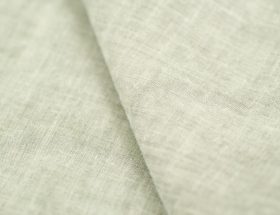
There are two main types of fleece you will encounter in Karachi shops: French Terry and Brushed Fleece. French Terry features loops on the inside and a smooth surface on the outside. It is lighter and more breathable, making it ideal for the ‘transitional’ weather in October or March. Brushed fleece, on the other hand, has had those internal loops shredded to create a soft, fuzzy nap. This traps more air and provides significantly more warmth, which is what you want for those chilly January nights by the sea.
The ‘hand-feel’ of a hoodie can be deceiving. Many manufacturers use silicone softeners to make a garment feel incredibly plush on the rack, but this effect washes away after one or two rinses. Look for the density of the knit rather than just the initial softness.
Maintenance and Longevity: Surviving Karachi’s Hard Water
One of the biggest challenges for hoodie enthusiasts in Karachi isn’t the wear and tear of use, but the wear and tear of washing. Much of the city relies on tanker water or groundwater with high TDS (Total Dissolved Solids) levels. This “hard water” can be brutal on cotton fibers, stripping away natural oils and making a once-soft hoodie feel like sandpaper within a few months.
To extend the life of a high-quality hoodie, you should always wash it inside out. This protects the outer face of the fabric from the abrasive action of the washing machine drum. Furthermore, avoid the temptation to hang-dry your heavy hoodies on a traditional clothesline in direct Karachi sunlight. The UV rays are intense enough to fade even high-quality dyes in a matter of hours, and the weight of the water-soaked fleece can stretch the shoulders, ruining the fit. Instead, dry them flat in a shaded, well-ventilated area. If you are using a dryer, use the lowest heat setting possible to prevent the polyester fibers from melting or the cotton from shrinking excessively.
Common Mistakes When Buying Hoodies in Karachi
The most frequent error local shoppers make is equating “heavy” with “better.” While a high GSM usually indicates a more durable knit, a 500 GSM hoodie in a city where the temperature rarely drops below 12 degrees Celsius is often impractical. You will find yourself constantly taking it off and putting it back on as you move between the outdoors and indoor environments with poor ventilation.
Another mistake is ignoring the ribbing. The ribbing is the elasticated fabric at the cuffs and the hem. In lower-quality hoodies, manufacturers use the same fabric for the ribbing as the body, but without enough elastane. This results in “blown-out” cuffs that hang loosely around your wrists after just a few wears. Always check the “snap-back” of the cuff. If you pull it and it doesn’t immediately return to its original shape, the hoodie will likely lose its silhouette very quickly. Finally, be wary of “fleece-lined” hoodies that shed. If you see fuzz on your t-shirt after trying it on in the store, that shedding will likely continue until the hoodie is thin and the interior is no longer soft.
Comparison of Top Hoodie Options in Karachi 2026
For a quick reference, the following table breaks down the key specifications of the most popular hoodie sources in the city. These observations are based on current 2026 retail availability and fabric testing.
| Brand/Source | Avg. GSM | Primary Material | Best For | Price Range (PKR) |
|---|---|---|---|---|
| Rastah | 400+ | Premium Cotton | Statement Fashion | 18,000 – 45,000 |
| Lama | 320-350 | Cotton/Poly Blend | Daily Essentials | 4,500 – 8,000 |
| Outfitters | 280-320 | Variable Blend | Trend Following | 3,500 – 6,500 |
| Elo (Export Leftovers) | 250-350 | Varies (Export Surplus) | Budget/Value | 1,800 – 3,500 |
| Beyond East | 300-330 | Cotton-Rich | Streetwear Aesthetics | 3,500 – 5,500 |
| The Warehouse | 300 | Polyester/Cotton | Graphic Prints | 2,500 – 4,000 |
Strategic Shopping: Navigating Physical Markets vs. Online Direct-to-Consumer
The way Karachites buy clothes has undergone a radical transformation. While the allure of the ‘hunt’ at Zainab Market or Lighthouse remains for some, the convenience and quality control of online-first brands have taken over. If you are heading to a physical market, the rules of engagement are different. You need to check the ‘grain’ of the fabric. Pull the hoodie horizontally; it should snap back instantly. If it stays stretched out, the ribbing is poor quality and the hoodie will look like a sack within a month.
Online shopping in Pakistan has its own set of hurdles, primarily related to sizing. Because many local brands use different patterns (some follow ‘Asian fit’ while others follow ‘US/EU fit’), you must check the size chart in inches rather than relying on Small, Medium, or Large. A ‘Large’ at Outfitters might be a ‘Medium’ at a boutique streetwear label. Look for brands that offer a ‘no-questions-asked’ return policy, as this is the only real safeguard against a garment that doesn’t hang right on your frame.
The Rise of Instagram ‘Drop’ Culture
We are also seeing a surge in small-scale Karachi-based Instagram brands. These labels often produce limited runs of 50 to 100 hoodies. While this can be risky in terms of quality consistency, it is where the most interesting design work is happening. These brands often use ‘pre-shrunk’ fabrics and ‘oversized’ boxy cuts that are currently dominating global fashion. If you find a local label that uses ‘3-end fleece’ (a construction method that uses a tie yarn to prevent the fleece from shedding), you’ve found a winner. This segment is particularly popular among the Gen Z demographic in areas like KDA and PECHS, where the hoodie is more than just clothing—it’s a badge of cultural participation.
Ultimately, the best hoodie in Karachi is one that acknowledges the city’s climate and its chaos. It needs to be tough enough to survive the dust and the humidity, stylish enough for a high-end mall in Clifton, and comfortable enough for a late-night drive to Sea View. By focusing on GSM, fiber content, and local brand reputations, you can move past the ‘disposable’ fashion of the past and build a winter wardrobe that actually lasts through the unique demands of the Karachi winter.