
I Tested 9 Pajama Sets — These 4 Are Actually Worth Buying
Comfortable pajamas are not a luxury. They are what separates actual sleep from lying awake waiting for it. After years of buying the wrong things — sets that pilled after three washes, shrank two sizes, or felt like wearing a grocery bag by 3 AM — here is everything worth knowing before spending another dollar on sleepwear that disappoints you.
What Actually Makes Pajamas Feel Comfortable
The answer is not fabric name. It is fabric construction. Cotton pajamas can feel incredible or feel like sandpaper — same material, completely different experience depending on how the yarn was spun, how the fabric was woven, and how the garment was finished before it reached you.
Three things determine whether pajamas are genuinely comfortable after a month of wearing them — not just in the store packaging:
Thread Count Is Mostly Noise for Pajamas
Thread count signals something meaningful for bed sheets. For pajamas, it is largely a marketing number that tells you almost nothing useful. What you are actually feeling is the weave type and yarn quality.
Jersey knit cotton stretches with your body and feels like a broken-in t-shirt. Woven cotton — even high thread count woven cotton — is stiffer, needs multiple washes to break in, and traps heat along your back and inner thighs. A $35 jersey-knit set will feel softer in regular use than a $90 woven cotton set marketed around its thread count. Every time.
Modal and bamboo fabrics sidestep this problem entirely. They are naturally soft at the fiber level — not because of a processing trick but because of the fiber structure itself. MicroModal, a finer-spun version of standard modal, is noticeably more fluid and less prone to wrinkling than regular modal. The difference is not subtle once you have felt both.
GSM: The Spec Nobody Lists But Should
GSM stands for grams per square meter — a measure of how heavy a fabric is per unit area. Most pajama brands do not list this number anywhere, which is frustrating because it is the most useful single specification for understanding how warm or cool a fabric will sleep.
For year-round pajamas, the practical sweet spot is roughly 120–160 GSM. Under 120 GSM produces that flimsy, semi-transparent quality you get with cheap sets. Over 180 GSM and you are moving into flannel territory — excellent for January, genuinely miserable from May through September. Flannel typically sits around 200–230 GSM. That is correct for cold-climate winter sleeping and nothing else.
Softness at Purchase vs. Softness After 20 Washes
This is where most pajama purchases go wrong. A set that is buttery soft straight from the packaging turns stiff and slightly too small after five machine washes. Standard cotton shrinks — typically 5–8% in length after the first wash — which means the inseam that fit on day one drags behind you by month one.
Pre-washed or garment-washed fabrics shrink far less. Look for those specific terms in the product description. Modal and bamboo hold their softness through repeated washing significantly better than standard cotton. If a brand does not mention pre-washing and the fabric is 100% cotton, assume you need to size up by at least one size to account for it.
Fabric Types Compared — The Honest Breakdown

Every fabric type has a genuine use case. This table strips out the marketing language and tells you what each material actually means for sleeping in it night after night.
| Fabric | Feel | Temperature | Durability | Price Range | Best For |
|---|---|---|---|---|---|
| Cotton Jersey | Soft, stretchy | Neutral | Good (shrinks) | $25–$80 | Most people, year-round |
| Modal / MicroModal | Silky, fluid | Cool to neutral | Excellent | $80–$180 | Hot sleepers who want softness |
| Bamboo Viscose | Soft, slight texture | Cooling | Good | $40–$120 | Hot sleepers on a tighter budget |
| Real Silk | Cool, smooth | Regulates well | Delicate | $150–$350+ | Temperature-sensitive sleepers |
| Flannel | Warm, cozy | Warm | Excellent | $40–$100 | Cold climates, winter only |
| Polyester Satin | Slippery | Traps heat | Average | $15–$50 | Skip it entirely |
One thing worth understanding about polyester satin specifically: most sets labeled “satin pajamas” at accessible prices are 100% polyester, not silk. Polyester does not breathe. You will feel heat building around your core within 45 minutes and wake up clammy. If a set is described as satin and costs under $60, it is almost certainly polyester. If you want the smooth, silky feel without silk prices, modal is a far better alternative than polyester satin at any price.
Four Pajama Sets Worth Buying — With Clear Verdicts
These are specific products with real reasoning. No hedging, no “it depends on your needs.”
Best Overall: Eberjey Gisele Short Set or Long Set ($119–$148)
The Eberjey Gisele is the most consistently recommended pajama set in serious sleepwear conversations for a straightforward reason: the MicroModal fabric is genuinely different from standard modal. Finer fiber, more fluid drape, and it holds up wash after wash without pilling or going stiff. The waistband is wide and flat — it does not dig in at the hip by midnight. The fit is relaxed without looking like you borrowed something from a much larger person.
Short set runs $119. Long pants version is $148. Both are worth it. If you are deciding between one Eberjey set and three cheaper sets trying to approximate the same experience, buy the Eberjey. The quality gap is real and the cost-per-wear math over two or three years works in its favor.
Verdict: The correct default recommendation for most people who are done with pajamas that disappoint them.
Best Budget Pick: Amazon Essentials Cotton Pajama Set ($28–$35)
This is the honest answer for people who genuinely will not spend $100+ on sleepwear. The Amazon Essentials cotton jersey set is 100% cotton, soft enough for regular sleeping, and constructed well enough to last a year with normal use. It is not the Eberjey — the fabric is heavier, less fluid, and will shrink. But it is ten times better than the polyester sets at the same price point that dominate the market.
Size up one size before you order. Expect the inseam to shorten slightly after the first wash regardless. At $30, replacing it annually costs less per year than most mid-tier sleepwear brands charge for a single set.
Best for Hot Sleepers: Lunya Washable Silk Set ($228)
Real silk is a legitimate temperature regulator. It absorbs moisture and releases it, which interrupts the heat-building loop that wakes sweaty sleepers in the middle of the night. The catch with most silk pajamas is the care requirement — hand washing or dry cleaning makes them impractical for daily wear. Lunya’s washable silk treatment solves that problem directly. Machine wash on delicate, hang dry, done.
The $228 price is significant. But for chronic hot sleepers who have tried quality cotton and modal sets and still wake up overheated, this is the product that actually changes things. The seam construction also holds up far better than comparable silk sets at similar price points.
Best for Cold-Weather Sleeping: L.L. Bean Scotch Plaid Flannel Pajamas ($69)
L.L. Bean flannel pajamas have not changed in decades because they do not need to. Heavy flannel, pre-washed so shrinkage is minimal, sizing that runs accurate rather than optimistic. The classic plaid patterns are either charming or boring depending on your relationship with New England aesthetics.
These are cold-weather only. Below 65°F room temperature, they are exceptional. Above that, the heat retention becomes actively uncomfortable within an hour. Do not make these your single pajama set unless your bedroom stays cold year-round.
The Seasonal Weight Trap
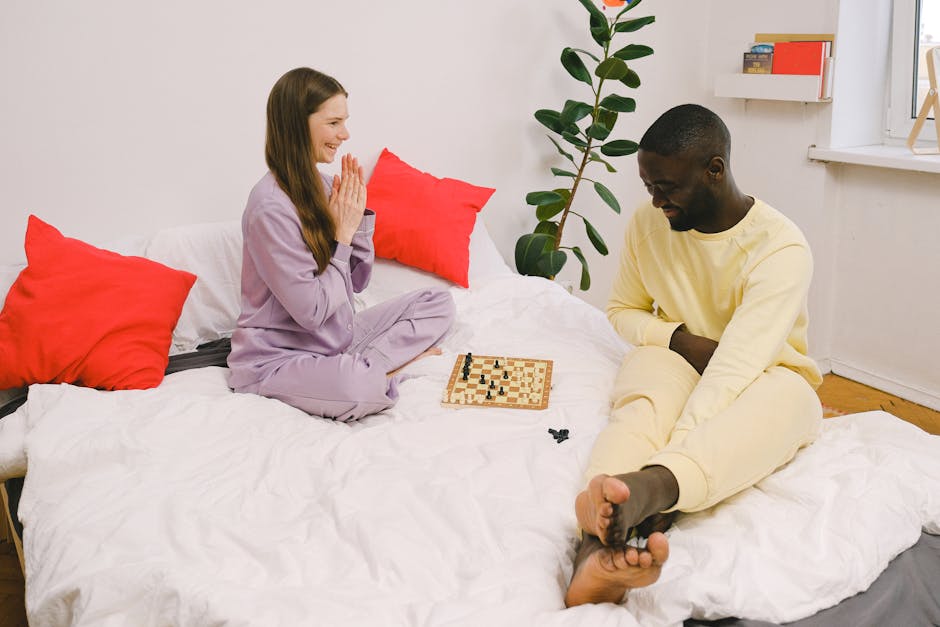
Buying one pajama set and expecting it to work through all twelve months is the most common mistake in this category. A modal set perfect in October is inadequate by January. A flannel set you love in February becomes unwearable in May. Budget for at least two sets — a lighter fabric for warm months, a heavier one for winter — and stop expecting a single garment to handle a 40-degree swing in room temperature across the year.
Fit Mistakes That Ruin Otherwise Good Pajamas
The fabric can be right and the fit can still make a set unwearable by 3 AM. These are the specific mistakes that come up repeatedly:
- Buying your regular size in unsanforized cotton. Cotton jersey shrinks. Size up at least once if the brand does not specify pre-washed or garment-washed. This is not optional advice.
- Ignoring inseam length. Pajama pants that bunch at your ankles shift constantly while you sleep and pull you out of deep sleep. Most brands offer multiple inseam options — use them instead of just picking your waist size.
- Choosing slim-fit when you sleep on your side. Tight pajama pants restrict hip rotation. Side sleepers need a relaxed or wide-leg cut. This is a functional requirement, not just a comfort preference.
- Elastic waistbands that mark your skin. If a waistband leaves a visible indentation after ten minutes of wear, it will be genuinely painful by hour four of sleep. Test this before washing so you can still return the set.
- Button-front tops when you sleep on your stomach. Buttons dig into your sternum and ribs. Stomach sleepers need pullover styles only. This seems obvious and yet button pajama tops keep getting purchased by people who sleep face-down and wake up wondering why their chest hurts.
A well-fitting $35 set will sleep better than a poorly fitting $150 one. Fit is not secondary to fabric — both matter equally, and most people spend all their attention on fabric while ignoring inseam length entirely.
When the Popular Brands Are Not Worth the Premium

Is Parachute worth $109 for cotton pajamas?
Partially. The Parachute Cloud Cotton PJ Set uses a medium-weight cotton that is above average — noticeably softer than standard cotton jersey after washing and reasonably durable over time. The flat elastic waistband is better engineered than most. But $109 for cotton is steep when the Eberjey modal set at $148 is measurably softer for $40 more. If you specifically prefer cotton texture over modal or silk — some people genuinely do — Parachute is the best cotton set at that price. If fabric type is flexible, the extra $40 buys you a meaningfully better material.
What does Soma Cool Nights actually deliver for hot sleepers?
Soma Cool Nights ($79–$88) uses a moisture-wicking fabric blend that outperforms cotton for temperature management but does not match modal or real silk for heat dissipation. Think of it as a practical middle tier: better than cotton, accessible price, and the fit is thoughtfully done — soft-edge waistband, multiple length options — which makes it worth serious consideration when budget is the primary constraint and you sleep warm.
Are bamboo pajama brands like Cariloha legitimate alternatives?
Yes, with one caveat. Quality bamboo viscose sets in the $60–$90 range from brands like Cariloha are legitimate alternatives to cotton-priced pajamas. The softness ceiling sits slightly below MicroModal and quality varies significantly between manufacturers. The key detail: look for “100% bamboo viscose” in the fabric content — blends with polyester lose most of the cooling benefit and the softness advantage. For people who want the temperature-regulating feel of modal at a lower price, a well-made bamboo set is a reasonable step down from the Eberjey without dropping all the way to basic cotton.
Pajama Picks at a Glance
If you know your sleep situation, here is the short version without the explanation:
| Sleeper Type | Best Set | Price | Why It Works |
|---|---|---|---|
| Most people | Eberjey Gisele | $119–$148 | Best fabric quality relative to price |
| Hot sleepers | Lunya Washable Silk | $228 | Real temperature regulation, machine washable |
| Budget buyers | Amazon Essentials Cotton | $28–$35 | Comfortable, not polyester, size up once |
| Cold-weather sleepers | L.L. Bean Flannel | $69 | Heavy, pre-washed, accurate sizing |
| Warm sleepers, mid-budget | Soma Cool Nights | $79–$88 | Moisture-wicking, good fit engineering |
| Cotton-specific preference | Parachute Cloud Cotton | $109 | Best cotton set if modal texture is not for you |
The pattern holds across every price point: avoid polyester in any form, size up in unsanforized cotton, and stop expecting one set to handle every season. Spend what you can on the Eberjey if budget allows. If it does not, the Amazon Essentials cotton set in the right size will serve you better than anything else at that price — including everything between $40 and $90 that is secretly polyester.