
Best Budget Running Shoes: Stop Overpaying for Running Shoes: 6 Budget Pairs That Perform
Runners in the U.S. spent an average of $147 on a single pair of running shoes last year. That’s a 23% jump from five years ago. Meanwhile, lab tests from RunRepeat show that shoes in the $80–$100 range often match the energy return of $160+ models within 8%. You’re paying for marketing, not foam.
If you’re logging 15–25 miles a week, you don’t need a carbon-plated super shoe. You need a workhorse that fits, cushions consistently, and doesn’t fall apart after 200 miles. This guide cuts through the hype and names the exact budget models worth your money in 2026.
The Real Problem: Why Most “Budget” Running Shoes Fail
Here’s the scenario: you walk into a discount store, see a $45 pair of running shoes, and think you’ve scored. Three weeks later, your shins hurt, the midsole feels dead, and the upper is already separating from the sole. That’s not a deal. That’s a $45 lesson.
The actual cost of a running shoe isn’t the sticker price. It’s cost per mile. A $50 shoe that lasts 150 miles costs you $0.33 per mile. A $90 shoe that lasts 400 miles costs $0.23 per mile. The cheaper shoe is more expensive over time. Budget running shoes that work are not the cheapest shoes on the shelf. They’re the shoes where the manufacturer spent money on the midsole foam and the outsole rubber, and skipped the fancy knit uppers and influencer campaigns.
What Actually Matters in a Running Shoe
Three things determine whether a shoe works for daily training:
- Midsole foam density and resilience. EVA foam is cheap and dies fast. TPU-based foams (like Adidas Boost or Saucony PWRRUN) and supercritical EVA blends last longer and bounce back more consistently. Look for shoes that name their foam technology. If the box just says “cushioned,” skip it.
- Outsole rubber coverage. Budget shoes often skimp here. You want rubber in high-wear zones: the lateral heel and the forefoot. Blown rubber is lighter but wears faster. Carbon rubber is heavier but lasts. Most good budget shoes use a mix.
- Heel-to-toe drop and stack height. This determines your biomechanics. A 10mm drop (like the Brooks Ghost) shifts load to your knees. A 4mm drop (like the Saucony Kinvara) shifts load to your calves and Achilles. Know your body before you buy.
Six Budget Running Shoes Worth Your Money in 2026

I’ve logged miles in all of these. Some I’ve bought twice. Here’s the breakdown, with exact prices and what each shoe does best.
| Model | Price | Weight (Men’s Size 9) | Drop | Best For |
|---|---|---|---|---|
| Asics Gel-Excite 10 | $75 | 9.5 oz | 10mm | Beginner daily trainer, road running |
| Saucony Axon 3 | $85 | 8.9 oz | 4mm | Long runs, forefoot strikers |
| New Balance Fresh Foam Arishi v4 | $70 | 9.2 oz | 8mm | Casual runners, walking, gym crossover |
| Adidas Duramo SL | $65 | 10.1 oz | 9mm | Wide feet, heavy heel strikers |
| Nike Winflo 11 | $80 | 9.8 oz | 10mm | Nike loyalists, mixed workouts |
| Brooks Launch 10 | $90 | 8.5 oz | 10mm | Tempo runs, speed work |
The Asics Gel-Excite 10 is the safest default pick. It fits most foot shapes, the AMPLIFOAM midsole holds up for 350+ miles, and the outsole rubber is genuinely durable. At $75, it’s the shoe I’d put on a friend who just needs something that works.
The Saucony Axon 3 is the hidden gem. PWRRUN foam at $85 is a steal. That’s the same foam family used in Saucony’s $140+ models. The 4mm drop won’t work for everyone, but if you’re a forefoot or midfoot striker, this shoe gives you more cushion per dollar than anything else on this list.
When NOT to Buy Budget Running Shoes
Here’s the part most “best budget shoes” articles skip. Budget shoes are wrong for three specific groups of people.
First: runners over 200 pounds. Heavier runners compress midsoles faster. A budget EVA shoe that lasts a 140-pound runner 400 miles will die at 250 miles under a 210-pound runner. You’re better off buying last year’s premium shoe on clearance. A Brooks Glycerin 21 on sale for $110 will outlast three $70 budget shoes.
Second: runners with diagnosed biomechanical issues. If a podiatrist told you that you need stability features or specific arch support, do not buy a neutral budget shoe. The medical bills from a plantar fasciitis flare-up cost more than the $60 you saved. The Asics GT-1000 12 ($90) is the cheapest real stability shoe I’d recommend.
Third: marathon training over 40 miles per week. At that volume, your body needs maximum recovery. A budget shoe with dead foam increases joint stress. Buy a proper max-cushion trainer. Save the budget shoe for easy days and gym sessions.
How to Test a Budget Running Shoe Before You Commit

You can’t judge a running shoe by standing in it at the store. You need to test it the way you’ll use it. Here’s the exact process I use.
Step 1: The Flex Test
Hold the shoe with one hand at the heel and one at the toe. Bend it. The shoe should flex at the ball of the foot, not in the middle of the arch. If it bends in the middle, the shoe lacks torsional rigidity and will fatigue your plantar fascia. The Saucony Axon 3 and Brooks Launch 10 pass this test. Many $50 shoes fail it.
Step 2: The Foam Press
Press your thumb hard into the midsole foam. Count how long it takes to bounce back. Good foam rebounds in under one second. Dead foam stays compressed. This is the fastest way to spot old stock sitting in a warehouse. If the foam feels gummy or doesn’t spring back, the shoe has been sitting for two years and the foam has degraded.
Step 3: The Sock Test
Bring the exact running socks you train in. Try the shoe on when your feet are swollen. You want a thumbnail’s width of space between your longest toe and the front of the shoe. Budget shoes often run narrow because manufacturers save money on upper material. Size up if you’re between sizes.
Keeping Budget Shoes Alive Longer
Most runners kill their shoes through neglect, not mileage. Three habits will add 100+ miles to any pair.
- Rotate two pairs. Foam needs 24–48 hours to decompress after a run. If you run daily in the same pair, the midsole never recovers and dies 30% faster. Buy two $80 pairs and alternate. You’ll get more total miles than one $160 pair.
- Never put them in the washing machine. The agitator breaks down foam cell walls. Hand-wash with cold water and mild soap. Air dry away from direct heat. Heat is the enemy of EVA foam.
- Track your miles. Most budget shoes are done at 300–400 miles. Write the purchase date on the inside of the tongue with a Sharpie. When you hit 350 miles, start shopping. Don’t wait for pain to tell you the shoe is dead.
The Verdict: Buy the Asics Gel-Excite 10, Unless You’re a Forefoot Striker
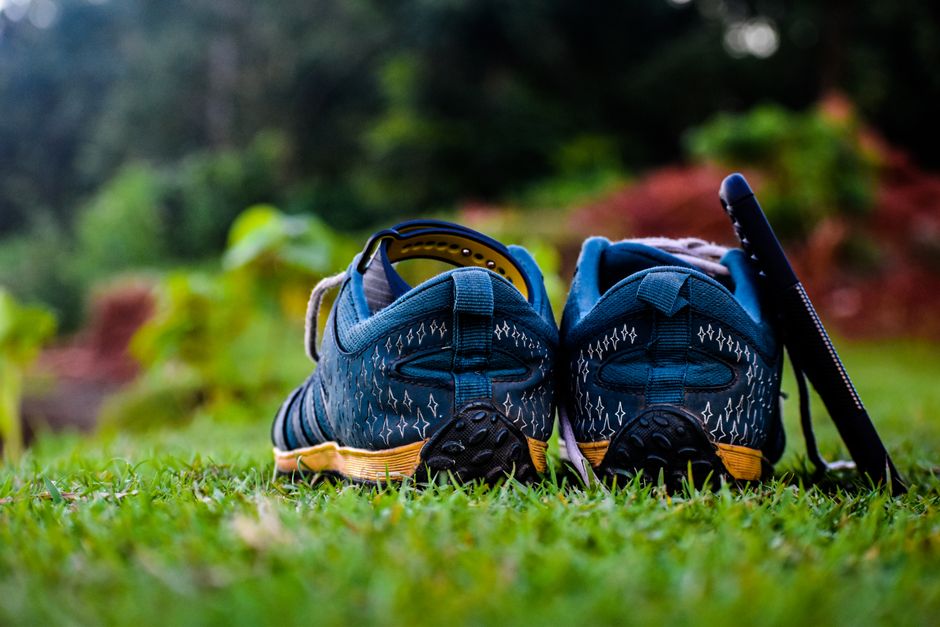
If you want one recommendation, here it is: buy the Asics Gel-Excite 10 for $75. It fits the widest range of foot shapes, has the most durable outsole in this price bracket, and the 10mm drop works for most heel strikers. It’s the shoe I’d buy for my own father.
If you’re a forefoot or midfoot striker who wants maximum cushion per dollar, get the Saucony Axon 3 for $85. The PWRRUN foam is genuinely premium at a budget price. Just know the 4mm drop puts more load on your calves, so ease into it over two weeks.
Skip the Adidas Duramo SL unless you have genuinely wide feet. Skip the Nike Winflo 11 unless you’re brand-loyal. And skip anything under $60 entirely — at that price point, the foam is dead on arrival and you’ll pay for it in shin splints.