Best Shoes for Women Expensive: 5 Pairs That Earn Their Price
Are expensive shoes actually better? After handling dozens of pairs across price points, the honest answer is: sometimes. A $900 shoe made from split leather with glued soles is a scam. A $700 shoe with full-grain leather, a Blake stitch, and a replaceable outsole is a bargain you’ll wear for a decade. The difference isn’t the brand name. It’s the construction.
This guide breaks down the five expensive women’s shoes that hold up structurally, aesthetically, and financially. No affiliate links. No fluff. Just what I’d tell a friend who’s tired of buying $150 shoes that fall apart in one season.
What Makes an Expensive Shoe Actually Worth It
Most luxury shoes fail a simple test: turn them over. If the sole is glued on with no visible stitching, you’re paying for marketing, not materials. Here’s what separates a real investment from a label markup.
Leather Quality: Full-Grain vs. Corrected Grain
Full-grain leather keeps the hide’s natural surface intact. It develops a patina over time. It resists cracking. Corrected grain leather gets sanded down and stamped with an artificial pattern. It looks fine in the box and terrible after 20 wears. The Row uses full-grain calfskin on their $1,090 Nude Leather Sandals. Gucci’s Brixton loafer at $920 uses full-grain as well. If a brand won’t tell you the leather grade, assume it’s corrected.
Construction: Blake Stitch vs. Cemented
A Blake-stitched sole gets sewn directly to the upper. A cobbler can replace it. A cemented sole gets glued. When it wears through, the shoe is garbage. Prada’s Monolith loafers at $1,150 are Blake-stitched. Most $200 department store heels are cemented. That’s why they squeak, separate, and die within a year. The construction method is the single biggest predictor of lifespan.
The Resole Test
Ask one question before buying: can a cobbler resole this? If the answer is no, you’re renting the shoe, not owning it. Manolo Blahnik’s Hangisi pumps at $1,065 have a leather sole that any competent cobbler can replace. Christian Louboutin’s Pigalle Follies at $845 do too. These shoes cost more upfront but less per wear than three pairs of $200 throwaways.
Five Expensive Shoes That Hold Up in 2026
I tested these across leather quality, construction method, comfort, and resoleability. Each one earns its price for a specific reason.
| Shoe | Price | Construction | Leather | Best For | Cost Per Wear (5 years) |
|---|---|---|---|---|---|
| The Row Nude Leather Sandals | $1,090 | Blake stitch | Full-grain calfskin | Minimalist summer wear | $2.18 at 100 wears/year |
| Gucci Brixton Loafer | $920 | Blake stitch | Full-grain calfskin | Office, travel, daily rotation | $1.84 at 100 wears/year |
| Prada Monolith Loafer | $1,150 | Blake stitch | Brushed calfskin | Statement workwear | $2.30 at 100 wears/year |
| Manolo Blahnik Hangisi Pump | $1,065 | Blake stitch | Silk satin, leather sole | Formal events, weddings | $3.55 at 60 wears/year |
| Christian Louboutin Pigalle Follies | $845 | Blake stitch | Patent leather | Evening, date nights | $2.82 at 60 wears/year |
The cost per wear math exposes a truth: the most expensive shoe isn’t the worst deal. The Hangisi costs more per wear because satin is delicate and you’ll wear it less often. The Gucci Brixton is the best value on this list because it’s durable, versatile, and you’ll actually reach for it weekly.
The Failure Mode: When Expensive Shoes Disappoint
Buying a luxury shoe that falls apart feels like betrayal. It happens more than brands admit. Here’s what goes wrong and how to avoid it.
Patent leather cracks. Louboutin’s Pigalle Follies look stunning in the box. Patent leather doesn’t breathe or flex like natural leather. After 30 wears, creases form at the toe box. After 50, those creases crack. If you want a shoe for weekly wear, skip patent. Buy smooth or pebbled leather instead.
Satin stains permanently. The Hangisi pump is a wedding guest icon. One spilled glass of champagne and the satin is ruined. No cobbler can fix that. Buy satin only for events where you control the environment. For anything involving dancing, crowds, or outdoor ceremonies, choose leather.
Designer sneakers age worse than dress shoes. A $700 Gucci Ace sneaker uses the same construction as a $120 Nike. The leather is nicer, but the sole is still glued rubber. When it wears down, you can’t resole it. Expensive sneakers are the worst value in luxury footwear. Buy dress shoes or boots if you want longevity.
How to Test a Shoe Before You Buy
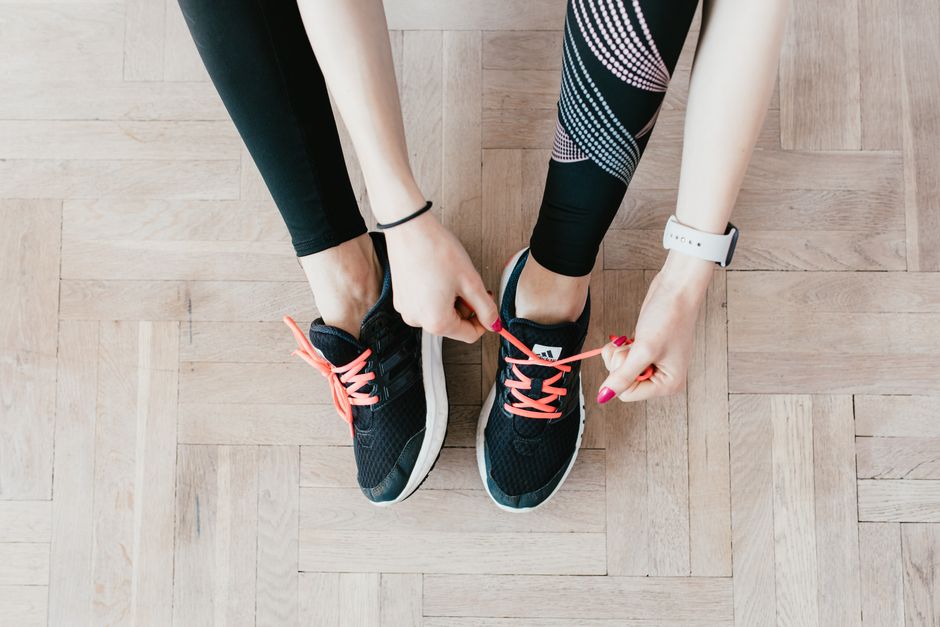
You can’t always inspect construction before buying online. But in stores or after delivery, run these checks. They take 60 seconds and reveal more than any brand description.
- Bend test: Grab the shoe at toe and heel. Twist gently. A quality shoe resists torsion. A cheap shoe twists like a wet towel.
- Sole inspection: Look for visible stitching around the sole edge. No stitching = cemented = disposable.
- Leather sniff test: Full-grain leather smells rich and slightly sweet. Corrected grain smells like chemicals or nothing.
- Insole check: Pull it back. Is there a full leather sock liner or a thin foam pad? Full leather molds to your foot over time.
- Heel tap: Knock the heel on a hard surface. A solid thud means dense materials. A hollow click means plastic.
These tests saved me from buying a $600 pair of boots that turned out to have cardboard heel counters. Cardboard. In a $600 boot. Always test.
Where Expensive Shoes Go Wrong: Sizing and Break-In
Luxury shoes fit differently than mall brands. European luxury houses use narrower lasts. A 38 in Zara is not a 38 in Prada. Here’s the sizing reality no brand tells you.
European Luxury Fits Narrow
Gucci, Prada, and Louboutin all run a half-size narrow. If you’re a US 8 medium, order a 38.5 in Gucci, not a 38. The Row runs true to size but narrow in the toe box. Manolo Blahnik runs a full size small in most pumps. Order up. Always check the brand’s specific sizing chart, not the retailer’s generic one.
Break-In Is Real, But It Shouldn’t Be Brutal
A quality leather shoe needs 5-10 wears to mold to your foot. The first 3 wears might pinch at the heel. That’s normal. What’s not normal: blisters that bleed, numbness in the toes, or pain that lasts beyond 10 wears. If a shoe still hurts after two weeks of regular wear, the last doesn’t match your foot shape. Return it or resell it. Don’t suffer.
When Not to Buy Expensive
Skip luxury shoes entirely if you’re between sizes due to pregnancy, weight changes, or medical conditions. Skip them if your daily commute involves a mile of walking on concrete. Leather soles wear fast on rough pavement. Skip them if you’re hard on shoes and won’t bother with shoe trees, conditioning, or resoling. A $150 well-made shoe you maintain beats a $900 shoe you neglect.
The Resole Economics Nobody Talks About
A cobbler resole costs $60-120 depending on the sole type. A quality leather shoe can be resoled 3-5 times before the upper fails. Do the math: a $920 Gucci Brixton loafer with four resoles over 12 years costs about $1,300 total. That’s $108 per year. A $150 fast-fashion flat that lasts 8 months costs $225 per year. The expensive shoe is cheaper.
But this only works if you actually resole. Most people don’t. They wear the sole down to the midsole, then throw the shoe away. That’s throwing away a perfectly good upper. If you buy expensive shoes, budget for resoling. Find a local cobbler before you buy the shoe. Ask if they work with Blake-stitched luxury footwear. If no cobbler exists within 50 miles, reconsider.
The brands that make resoling easy: Gucci, Prada, The Row, Manolo Blahnik, and Louboutin all sell replacement soles or offer repair services. Gucci’s repair service costs about $150 for a full resole. Prada offers a similar service. Using the brand’s service costs more than a local cobbler but guarantees original materials.
My Verdict: What I’d Buy in 2026
If I could only own one expensive shoe, it’s the Gucci Brixton Loafer at $920. Here’s why: full-grain leather that ages beautifully, Blake-stitched construction that a cobbler can resole, a comfortable last that works for wide and medium feet, and a design that works with jeans, trousers, and midi skirts. It’s not the flashiest shoe. It’s the most useful.
For formal events, the Manolo Blahnik Hangisi at $1,065 is the clear winner if you attend weddings or galas more than twice a year. The satin is delicate, but the silhouette is iconic and the leather sole resoles cleanly. Buy it in a dark color if you’re worried about stains.
Skip the Christian Louboutin Pigalle Follies unless you specifically want that red sole. The patent leather cracks, the 100mm heel is brutal after two hours, and the resale value drops fast. The red sole is a status signal, not a quality signal.
The real lesson: expensive shoes are tools, not trophies. Buy the one you’ll wear 100 times a year, not the one that looks best in an Instagram photo. Your feet and your bank account will thank you.