January Wool Coats That Still Look Modern in 2026
Are you looking for a January wool coat that feels warm and polished without making your outfit look stuck in 2014? Start with the shape, not the color. A modern coat has room for a sweater, clean shoulder lines, useful length, and enough structure to hold its form after a long commute.
Why some January wool coats look dated
The problem is rarely wool itself. Wool remains one of the best winter coat fabrics because it traps warm air, resists light rain, and can look sharp without the bulk of a ski jacket. The dated effect usually comes from several small details working together: a very tight waist, shiny synthetic fabric, narrow sleeves, decorative buttons, or a hem that ends at the widest part of the calf.
Look for clean proportion first
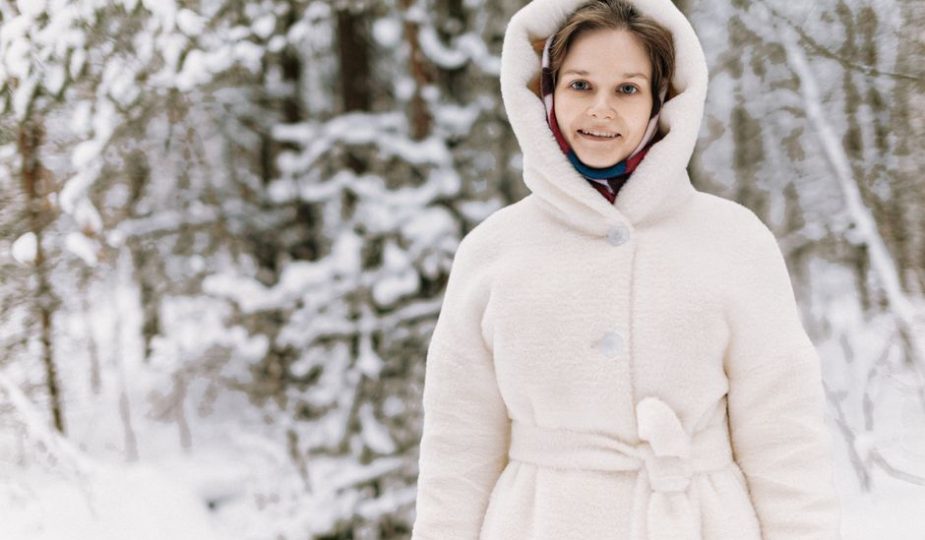
A modern coat usually has a straight, softly oversized, or gently cocooned shape. The shoulder should sit close to your natural shoulder or use a deliberate dropped seam. The sleeve should reach the wrist bone when your arms hang down. Try the coat over your thickest January layer, not a thin T-shirt. If the fabric pulls across your back when you reach forward, the coat is too small, even if the size label seems correct.
Choose texture over decoration
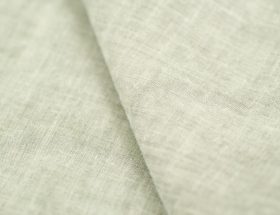
Dense melton, brushed wool, wool-cashmere, and double-faced wool look current because their texture creates depth without extra trims. Avoid contrast stitching, oversized shiny buttons, faux-fur collars, and tiny belts that pull the eye toward the waist. A wide lapel, hidden closure, or simple horn button gives the coat a stronger line. The best modern update is often subtraction.
My clear rule: choose one noticeable feature, not five. A dramatic collar can work with a plain body. A large check can work with a simple cut. A strong shoulder can work with a quiet color. When the coat tries to do all three, it becomes harder to wear and ages faster.
How to choose a modern wool coat cut

Use this fitting sequence in a store or at home. It takes five minutes and prevents the most common January coat mistake: buying a beautiful coat that cannot fit over real winter clothes.
- Check the shoulder. Stand naturally and let your arms hang. A tailored coat should meet the shoulder bone. A relaxed coat can drop below it, but both sides should fall evenly. Uneven shoulder lines often mean the garment is too small or poorly balanced.
- Test the sweater space. Wear a medium-weight knit, then button or belt the coat. You should be able to slide one flat hand between your chest and the fabric. More room is useful for very cold climates, but excessive space can make a light wool coat look shapeless.
- Measure the hem against your shoes. A mid-calf coat looks modern when it falls in a clean column and leaves a little ankle or boot visible. If the hem hits exactly at the widest part of your calf, try a shorter knee length or a longer ankle-skimming version.
- Inspect the sleeve opening. A sleeve that is too narrow makes a sweater bunch at the wrist. A sleeve opening of roughly 26 to 32 centimetres around the cuff gives most knitwear enough room without looking oversized.
- Move before paying. Sit down, lift your arms, reach for a bag, and turn sideways. January coats need to work on public transport, at a desk, and while carrying groceries. If the lining catches or the back rides up, the coat will annoy you every day.
Pick the right length for your wardrobe
Choose a knee-length coat if you wear jeans, flat boots, and shorter skirts most often. Choose a mid-calf coat if you wear dresses, wide-leg trousers, or long skirts. A cropped wool jacket works with high-rise trousers but gives less protection from wind. For one coat that covers the most outfits, a straight coat ending between the knee and mid-calf wins.
Use color to keep the shape current
Dark charcoal, espresso brown, navy, camel, and soft grey are the safest modern colors. Black works too, but a textured black wool can look more expensive than a flat black blend. If you want color, choose burgundy, olive, or butter yellow in a simple silhouette. Bright color plus many details creates a trend piece; bright color with a clean cut creates a useful wardrobe anchor.
How to style a wool coat for January without looking bulky

Modern styling comes from controlling volume. If the coat is wide, keep at least one layer underneath slim enough to show where your body ends. If the coat is straight and narrow, use a fuller trouser or a thick scarf to balance it.
Use the three-layer order
Start with a close-fitting base layer, add a medium knit, then put on the coat. A merino long-sleeve top under a crew-neck sweater creates warmth without the puffiness of two heavy jumpers. Keep the coat open indoors and fasten it outside. This makes the outfit look intentional instead of compressed.
Match shoes to the hem
Long coats need a solid shoe. Lug-sole boots, sleek knee boots, and simple leather sneakers can all work, but the shoe should have enough visual weight to meet the coat. Avoid a long coat with a very delicate ballet flat in January; the proportions feel top-heavy and the cold defeats the outfit.
Keep accessories quiet
Use one scarf, one bag, and one piece of visible jewelry. A scarf in a similar tone to the coat lengthens the body, while a contrasting scarf breaks up a large dark shape. A structured shoulder bag adds polish to a soft coat. A slouchy bag with a slouchy coat can make the whole look collapse.
For a reliable January formula, wear a charcoal coat with straight blue jeans, a cream sweater, dark brown boots, and a burgundy scarf. The colors have contrast, the textures feel seasonal, and no single item has to carry the outfit.
The one January coat I would buy first
Do not copy the widest size for an oversized look, because an oversized coat needs a planned shoulder and sleeve line, not random extra fabric; try your normal size and one size up, compare the back view, and keep the size that lets you button the coat over a sweater while leaving the sleeves close to the wrist.
Choose charcoal over camel if your winter wardrobe contains black, navy, denim, and cool grey, choose camel if you wear cream, brown, olive, and warm denim, and choose espresso if you want a softer alternative to black; the color decision matters more than a small lapel trend because you will see the coat every time you leave home.
That is the clear verdict: buy the Aritzia The Slouch for the best balance of warmth, modern shape, and price, buy the Max Mara 101801 for luxury tailoring, and skip both if you need waterproof protection rather than a polished wool layer.
A ten-minute fitting and care checklist
Use this checklist before you remove the tags. It catches fit problems that a changing-room mirror can hide and helps the fabric keep its shape through the season.
Before you buy
- Try the coat over your thickest sweater and scarf.
- Button every closure and sit down for one minute.
- Raise both arms, reach forward, and check that the back does not ride up.
- Look at the side seam. It should fall straight rather than twist toward the front.
- Check pocket placement. Pockets should be deep enough for a phone and keys without pulling the front panel out of shape.
- Read the fiber label. A wool blend can be excellent, but you should know how much wool you are paying for.
During January
Hang the coat on a broad, shaped hanger after every wear. Empty the pockets so the front does not sag. Use a clothes brush on the collar, cuffs, and shoulder area once or twice a week. If the coat gets damp, let it dry at room temperature away from a radiator or hair dryer. Direct heat can shrink wool and damage the lining.
At the end of the season
Clean the coat according to its care label before storing it. Do not seal wool in a plastic garment bag; use a breathable cover and add cedar nearby rather than mothballs directly against the fabric. Fold belts loosely or hang them on the coat hanger. A modern-looking coat stays modern when the shoulders hold their shape, the surface stays smooth, and the pockets are not stretched from carrying everything.
The final buying test is simple: you should be able to name the outfits, temperatures, and shoes that will use the coat this month. If you cannot, wait. The right January wool coat earns its place through repeated wear.