
Best Leggings Not See Through: 2026 Fabric Analysis and Performance Reviews
The technical integrity of activewear is frequently compromised by the tension between aesthetic thinness and functional opacity. For many, the realization that a garment is insufficient occurs at the least opportune moment—during a deep squat or a forward fold under the unforgiving glare of gym lighting. This phenomenon, often referred to in the industry as “sheering out,” is not merely a product of poor quality, but a complex interaction between textile engineering, fiber density, and mechanical stress. To identify the best leggings not see through, one must look past the marketing claims of “naked feel” and “buttery softness” to understand the structural physics of the fabric itself.
Opacity is the result of a fabric’s ability to block light. In the world of leggings, this is achieved through a combination of high-density knitting and the use of specific synthetic polymers that absorb rather than reflect light. When a legging fails the “squat test,” it is usually because the knit structure has been pushed beyond its elastic limit, causing the gaps between the yarns to widen to a point where light—and skin—become visible. Solving this issue requires a deep dive into Grams per Square Meter (GSM), knit types, and the chemical composition of the fibers used.
The Mechanics of Textile Density and GSM
The primary metric for determining if a pair of leggings will remain opaque is GSM, or Grams per Square Meter. This measures the weight and density of the fabric. Most high-quality, non-see-through leggings fall within the 250 to 320 GSM range. Anything lower than 200 GSM is likely to be sheer when stretched, while anything over 350 GSM can feel overly compressed, thick, and potentially too hot for intense cardiovascular exercise. However, weight is only half the story. The way those grams are distributed matters immensely.
In high-performance textiles, a high GSM is achieved not just by using thicker threads, but by increasing the stitch density. A higher stitch count per square inch ensures that even when the fabric is pulled to its maximum elongation, the “pores” of the knit remain small enough to maintain a solid barrier. This is why a 280 GSM legging from a premium brand might feel thinner but perform better than a 300 GSM legging from a budget brand; the premium version uses finer, more tightly packed yarns rather than bulky, loose ones.
The Role of Interlock Knit vs. Single Jersey
Most cheap leggings use a single jersey knit. This is the same construction used for t-shirts. It is lightweight and has good mechanical stretch, but because it only has one layer of loops, it thins out significantly when pulled. In contrast, the best leggings not see through almost exclusively use an interlock knit. An interlock knit is a double-knit construction that creates a thicker, more stable fabric. It is essentially two layers of fabric knitted together simultaneously. This not only provides a smoother surface on both sides but also ensures that when the fabric stretches, the second layer of knit fills the gaps of the first, maintaining opacity.
Furthermore, interlock knits are less prone to “running” or “laddering” if a thread is snagged. Because the two layers are interconnected, the fabric possesses a natural structural integrity that resists the thinning effect of multi-directional stretch. This is particularly vital in the gluteal region, where the fabric must accommodate significant volume changes during movement without losing its color depth or becoming translucent.
Fiber Composition and the “Grinning” Effect
Synthetic fibers like Nylon and Polyester are the backbone of activewear, but their shape influences how they interact with light. Some fibers are “trilobal,” meaning they have a triangular cross-section that reflects light, giving the fabric a shiny appearance. While shiny fabrics can sometimes mask what is underneath through glare, they often highlight every contour and can appear thinner than matte finishes. Matte fabrics, usually achieved through a higher concentration of Nylon 6,6 or specific chemical dulling agents, tend to absorb more light and provide a more uniform, opaque look.
The ratio of Elastane (Spandex) also plays a role. A common issue in lower-quality leggings is “grinning,” which occurs when the white elastic fibers inside the fabric become visible as the leggings stretch. This happens when the outer dyed fibers (usually nylon or polyester) are pulled apart, exposing the core elastic. The best leggings not see through use “solution-dyed” or “space-dyed” yarns where the elastic itself is colored to match the base fabric, or they use a higher percentage of Nylon to wrap the Elastane, ensuring that even at full stretch, only the intended color is visible.
Top-Tier Professional Leggings with Guaranteed Opacity

When price is less of a concern than absolute performance, a few specific models consistently top the data sets for opacity. These brands invest heavily in proprietary textile engineering to balance the conflicting needs of breathability and coverage. They often utilize high-gauge knitting machines that can produce incredibly dense fabrics that remain remarkably thin to the touch.
Lululemon Wunder Train High-Rise Tight
The Wunder Train is constructed from Everlux fabric, which is Lululemon’s answer to the need for a highly breathable yet completely squat-proof material. Everlux uses a unique dual-thread construction: the interior is soft and cool against the skin, while the exterior is durable and matte. At an approximate price of $98, these are an investment, but the technical specs justify the cost for serious athletes who require both compression and total coverage.
- Specs: 77% Nylon, 23% Lycra Elastane; Everlux fabric technology.
- Pro: Exceptional moisture-wicking capabilities combined with a high-density knit that stays opaque even in the lightest colorways.
- Con: The internal drawcord can sometimes dig into the waist during deep bends or seated exercises.
Athleta Elation Ultra High Rise Tight
Athleta uses their Powervita fabric for the Elation series. This fabric is characterized by a very fine, tight interlock knit that provides a “second-skin” feel without the fragility. Priced around $89, the Elation is often cited for its superior coverage in yoga and Pilates settings where extreme range of motion is required. The fabric undergoes a specialized brushing process that gives it a soft hand-feel while maintaining a high GSM.
- Specs: 75% Nylon, 25% Lycra; Powervita double-knit construction.
- Pro: The three-layer waistband provides excellent core support without rolling down, and the fabric has a very high resistance to sheering.
- Asymmetry in Performance: While the dark colors are bulletproof, the very pale pastels require a slightly larger size to ensure the same level of opacity under maximum stretch.
Sweaty Betty Super Soft Leggings
Sweaty Betty has carved out a niche with their “Super Soft” line, which focuses on a buttery texture that does not sacrifice density. Unlike many soft leggings that become sheer the moment you move, these use a high-gauge interlock knit that provides a matte, opaque finish. They are particularly well-regarded for their ability to hold their shape and opacity over hundreds of wash cycles.
- Specs: 69% Polyamide (Nylon), 31% Elastane; high-compression interlock.
- Pro: Extremely high Elastane content provides superior “snap-back” and prevents the fabric from bagging at the knees or seat.
- Con: The higher compression level can feel restrictive for those who prefer a more relaxed “lifestyle” fit.
Comparison of High-End Opacity Specs
| Model | Fabric Blend | Primary Knit | Approx. Price |
|---|---|---|---|
| Lululemon Wunder Train | 77% Nylon, 23% Lycra | Everlux Interlock | $98 |
| Athleta Elation | 75% Nylon, 25% Lycra | Powervita Double-Knit | $89 |
| Alo Yoga High-Waist Airbrush | 87% Nylon, 13% Spandex | Airbrush (Heavyweight) | $98 |
| Sweaty Betty Super Soft | 69% Polyamide, 31% Elastane | High-Compression Interlock | $118 |
The Sizing Paradox: How Fit Influences Fabric Opacity
One of the most overlooked factors in finding leggings that aren’t see through is the impact of sizing. There is a common tendency to size down in leggings to achieve more compression or a “snatched” look. However, this is the primary cause of opacity failure in otherwise high-quality garments. Every fabric has a “critical stretch point”—the point at which the yarns are pulled so far apart that the physical gaps become larger than the width of the yarn itself.
When you wear a size too small, you are pre-stretching the fabric before you even begin your workout. This means that when you eventually perform a squat or a lunge, the fabric has no “reserve” stretch left, forcing it to sheer out. To ensure total opacity, it is often better to choose a size that fits comfortably without excessive tension at the seams. If you see the fabric “shimmering” or if the color looks lighter on your body than it does on the hanger, you have likely exceeded the fabric’s opacity threshold and should consider sizing up.
Evaluating Mid-Range and Budget Squat-Proof Alternatives
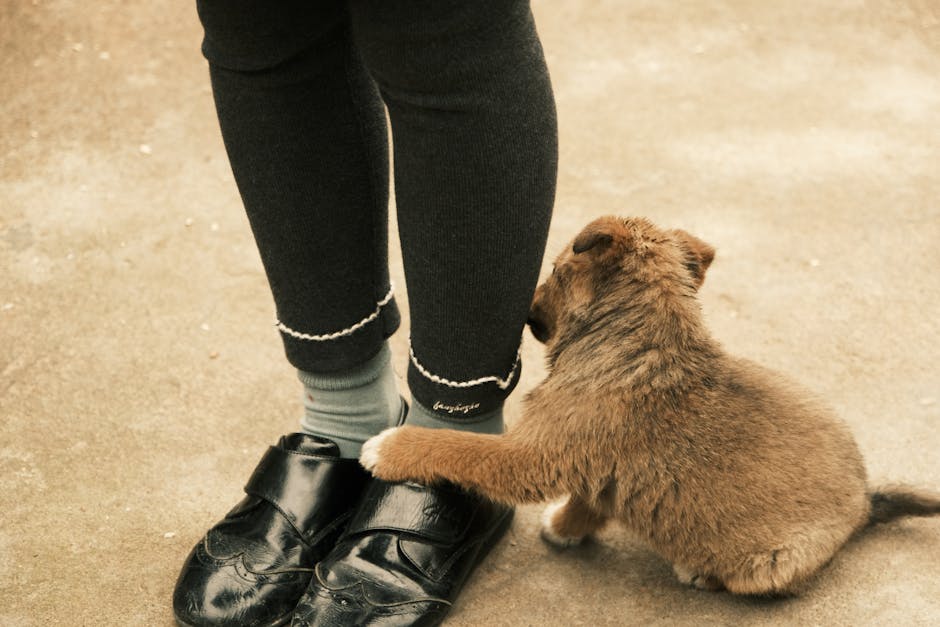
It is a misconception that you must spend nearly $100 to find leggings that aren’t see through. The budget market has improved significantly as manufacturing techniques for interlock knits have become more accessible. However, the trade-off in cheaper leggings is usually found in the longevity of the elastic fibers or the breathability of the fabric, rather than the initial opacity.
CRZ Yoga Butterluxe Leggings
CRZ Yoga has gained a massive following by producing textiles that mimic high-end brands at a fraction of the cost ($32). Their Butterluxe line uses a high percentage of Lycra (around 19-21%) which provides significant tension. Because the fabric is quite dense and utilizes a fine-gauge knit, it passes the squat test with ease, rivaling brands three times its price.
- Pro: Extremely high value-to-performance ratio; the fabric feels significantly more expensive than it is.
- Con: The seams are standard flatlock rather than reinforced ergonomic seams, which may lead to faster wear in the inner thigh area.
Colorfulkoala High Waisted Yoga Pants
Often found for under $30, Colorfulkoala uses a brushed polyester-spandex blend. Polyester is naturally more opaque than nylon at similar weights because the fibers are more rigid and less prone to thinning under tension. These leggings are thicker than many “naked feel” options, which contributes directly to their legendary squat-proof status.
- Pro: The matte finish and slight compression help hide skin texture and undergarment lines effectively.
- Con: Polyester-heavy blends tend to retain heat more than nylon, making these less ideal for hot yoga or intense summer outdoor runs.
Finding a budget pair that isn’t see-through is easier if you stick to darker, saturated tones like forest green, navy, or black. Lighter greys and mauves in the budget category are where the lack of fiber density is most frequently exposed.
Environmental Testing: How to Verify Opacity
If you are shopping in a physical store, you have the advantage of performing a series of tactile tests. If shopping online, you must rely on analyzing user-submitted photos and specific fabric weight descriptions. Here is the protocol for verifying opacity before you commit to a purchase.
The Hand-Stretch Test
While in the fitting room, take one leg of the garment and place your hand inside. Make a fist and push against the fabric, stretching it to its near-maximum capacity. If you can see the color of your skin or the whites of your knuckles clearly through the fibers, the leggings will be see-through during a squat. This is a more reliable test than simply looking at them on a hanger, as it mimics the tension the fabric will face over the glutes and thighs.
The Flashlight/Light Source Test
This is the most rigorous test. Hold the stretched fabric up to a direct light source. In a fitting room, hold it toward the overhead light. If the light points are clearly visible through the weave, the fabric density is insufficient. High-quality non-see-through leggings will diffuse the light, showing a solid shadow rather than pinpricks of brightness. This test is particularly important for patterned leggings, as the printing process can sometimes stretch and thin the base white fabric, leading to “grinning”—where the white base shows through the dark print when stretched.
- Check the GSM if available in the product description (target 250+ for maximum security).
- Verify the knit type (look for “interlock” or “double-knit” in the technical specs).
- Perform the hand-stretch test under direct, harsh light to simulate gym environments.
- Check for a gusseted crotch; this triangular piece of fabric reduces tension on the main seams and prevents the fabric from being pulled too tight across the hips.
Longevity and Opacity Maintenance Strategies
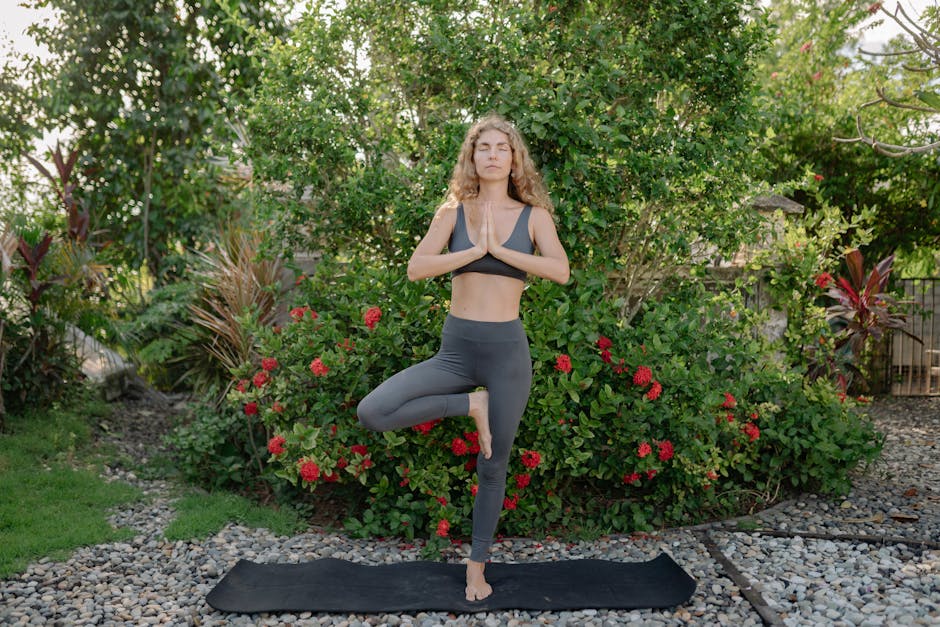
Even the best leggings not see through can become sheer over time if they are not cared for correctly. The “see-through” effect often develops after several months of use because the Elastane fibers begin to snap or lose their memory. When the elastic breaks down, the base Nylon or Polyester fibers can no longer snap back into their tight, dense formation. This leaves the knit permanently “gapped,” leading to transparency that wasn’t there when the leggings were new.
The Danger of Heat and Friction
Heat is the primary enemy of Spandex and Lycra. High temperatures in the dryer cause these synthetic polymers to become brittle. Once the elastic is compromised, the fabric loses its recovery power. To preserve opacity, leggings should always be washed in cold water and air-dried. If you must use a dryer, use the “air fluff” or lowest heat setting possible. Additionally, avoid washing leggings with abrasive fabrics like denim or towels. The friction can cause pilling, which thins the fabric over time and creates weak spots in the knit.
Detergent Choice and Fiber Integrity
Fabric softeners should be strictly avoided. Softeners work by coating fibers in a thin layer of wax or silicone to make them feel smoother. However, this coating interferes with the moisture-wicking properties of technical fabrics and can actually cause the fibers to slide against each other more easily, leading to a loss of shape and density. Using a sport-specific detergent can help remove oils and sweat without damaging the synthetic bonds that keep the leggings opaque and supportive. By maintaining the structural integrity of the knit, you ensure that the “squat-proof” nature of the garment lasts for years rather than months.
Ultimately, the quest for the best leggings not see through is a balance of textile science and practical testing. While premium brands offer more consistent results through engineered fabrics like Everlux or Powervita, the mid-market has caught up significantly. By prioritizing interlock knits, checking for appropriate weight, and following a strict cold-wash regimen, you can ensure your activewear remains a reliable tool for performance rather than a source of wardrobe malfunction. Investing in the right fabric today prevents the discomfort of a transparency failure tomorrow.