5 Athleisure Wear UK Myths That Cost You Money
Are you buying athleisure wear that feels comfortable in the changing room but looks sloppy after one wash? The problem is rarely the logo. It usually comes from choosing the wrong fabric, fit, weight or level of performance for your actual day. This buyer’s guide explains what athleisure should do, which details deserve your money and which popular claims should make you pause.
Why Athleisure Wear Works Outside the Gym
The real problem athleisure solves
Athleisure exists because modern clothing has to handle more than one setting. A pair of trousers may need to survive a commute, a coffee stop, a supermarket run and several hours at a desk. Traditional sportswear handles movement well but can look too casual. Tailoring looks sharper but often restricts movement and needs more care. Athleisure sits between those two jobs.
The useful feature is not simply stretch. The best pieces combine movement, easy washing, sensible storage and a shape that still resembles everyday clothing. That means a clean waistband, a controlled hem, a fabric with enough weight to hang properly and colours that work with the rest of your wardrobe.
The boundary that keeps it looking intentional
The line between athleisure and loungewear is structure. Clothing looks ready for public life when it has a clear silhouette and one visible performance detail rather than five. A tapered trouser, a smooth technical overshirt or a breathable base layer can do the job. Matching logos across every item usually pushes the outfit towards gym uniform.
Verdict: buy athleisure for repeated daily use, not for an imaginary lifestyle. If a piece only works with its matching set, it will cost more per wear than a simpler item that combines with jeans, knitwear or a casual jacket.
Which UK Fabrics and Fits Earn Their Price?

Read the label before you read the logo
Fabric weight and construction matter more than a long list of technical claims. Cotton-rich fleece feels soft and gives warmth, but it can dry slowly. Polyester or nylon dries faster and resists creasing, but low-quality versions may hold odour. Elastane adds stretch, yet too much can make trousers lose their shape. For most UK wardrobes, a cotton-polyester blend or a midweight technical weave gives the best balance.
The table below shows how several recognisable options compare at their listed or typical UK prices in 2026. Sale prices can change, so judge the full-price construction before deciding that a discount makes a weak item good value.
| Product | UK price | Useful detail | Best use |
|---|---|---|---|
| UNIQLO DRY Stretch Easy Shorts | £19.90 | Quick-drying stretch twill, XS–3XL | Warm commutes and travel |
| Nike Club French Terry Joggers | £49.99 | Unbrushed loops for better breathability | Cool days and casual weekends |
| adidas Premium Essentials Hoodie | £70 | 100% organic cotton, loose fit | Layering over a T-shirt |
| lululemon ABC Classic-Fit Trouser | £118 | Warpstreme fabric, five-pocket styling | Smart-casual workdays |
The value winner
Verdict: choose UNIQLO for low-cost rotation, Nike for soft everyday joggers and lululemon only when you need a trouser that can replace jeans or chinos. The adidas hoodie is a good buy for buyers who want natural fibre and a relaxed shape, but its £70 price makes the fit test essential.
How to Build a Three-Piece Athleisure Outfit
Step 1: Start with the least sporty layer
Begin with a plain base layer in white, black, navy or grey. A UNIQLO AIRism Crew Neck T-Shirt costs about £14.90 in the UK and works because its smooth, quick-drying fabric disappears beneath an overshirt or hoodie. Choose your usual size for a neat base; size up only if the shoulder seam feels restrictive. The base layer should not hang below the outer layer by more than 2–3 centimetres.
Step 2: Choose one relaxed piece
Use one item with visible ease: a hoodie, jogger, wide trouser or overshirt. Do not make every layer oversized. The adidas Premium Essentials Hoodie has a loose cut, so pair it with straight-leg trousers rather than another very wide item. For a softer casual look, the Nike Club French Terry Joggers at £49.99 are the stronger pick than a heavy brushed fleece jogger in mild weather because the loopback interior allows more airflow.
Step 3: Finish with a clean shoe and one practical detail
For footwear, the New Balance 530 at around £100 gives a retro running shape that reads as streetwear rather than gym kit. Keep the rest quiet: white or grey socks, a compact cross-body bag or a plain cap. Check the final outfit in a full-length mirror while standing and sitting. If the knee bags out, the hem bunches over the shoe or the hoodie covers your entire seat, change the fit before changing the brand.
Verdict: the most reliable formula is one performance fabric, one relaxed shape and one everyday-looking shoe. Three sporty pieces together usually look like a uniform; one or two are enough to provide comfort.
What Are the Costly Athleisure Buying Mistakes?
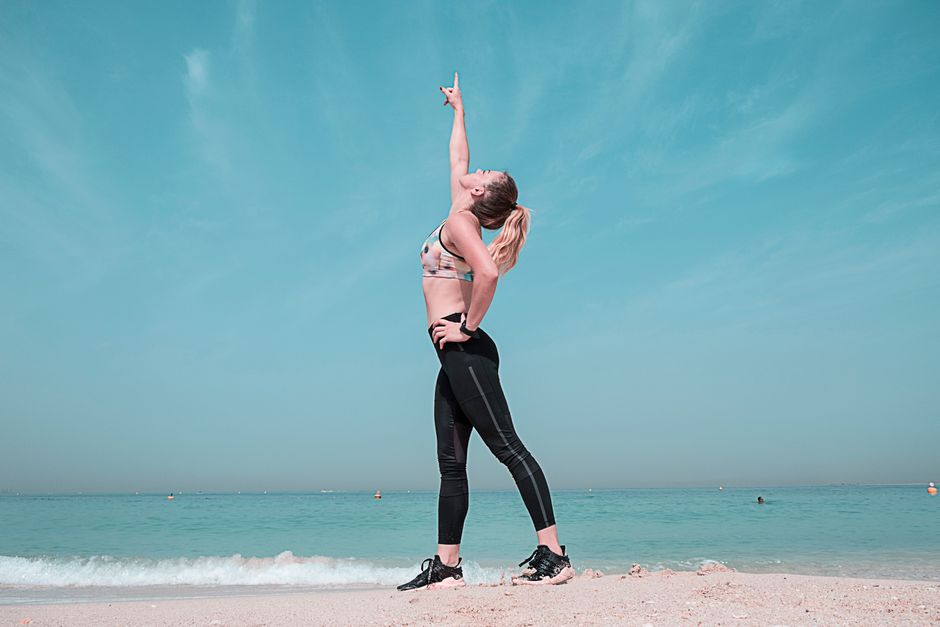
The five checks to make before paying
- Buying for exercise you do not do: Running tights, compression tops and highly ventilated mesh solve training problems. They can feel excessive for errands and may be harder to style. Match the technical level to your real routine.
- Ignoring fabric weight: A thin jersey can look fine under shop lighting but show every pocket, seam and underwear line outdoors. Hold the fabric against light and sit down before buying.
- Choosing a waistband that does all the work: A drawcord is useful, but a weak elastic band will roll or pinch. Fasten the cord loosely, walk for two minutes and check if the trousers stay in place without constant adjustment.
- Confusing stretch with a good fit: Stretch lets fabric move; it does not fix excess material. If the seat, thigh or shoulder is already too loose, the garment will still look untidy after it relaxes.
- Skipping the wash test: Check the care label before buying. Wash dark and light items separately, avoid high heat and inspect the first dried garment for twisting seams, bobbling and shrinkage.
The return-room test
Keep the receipt and wear the item indoors with the clothes you already own. Try stairs, a chair and a coat over the top. A useful purchase should pass all three checks without pulling, riding up or creating a bulky stack at the waist.
Verdict: reject any piece that needs special excuses, constant readjustment or a matching set to look acceptable. Comfort that creates extra work is false value.
Which Athleisure Pieces Are Worth Paying More For?
Should you spend more on trousers?
Yes, trousers deserve the larger budget when they replace several everyday pairs. The lululemon ABC Classic-Fit Trouser costs about £118, but its five-pocket design and Warpstreme fabric make it easier to wear with a sweatshirt, Oxford shirt or casual blazer. That versatility can justify the price for a commuter who wears the same pair twice a week. It is a poor purchase for someone who only wants soft clothing for the sofa.
Is a premium hoodie better than a cheaper one?
Not automatically. The adidas Premium Essentials Hoodie is made from 100% organic cotton and has a loose fit, but the £70 price is mainly justified if you like its shape and will wash it carefully. For a warm, soft layer on a tighter budget, a £38 essentials fleece hoodie from adidas gives more practical value. For hot indoor spaces, skip both and use the £14.90 UNIQLO AIRism T-shirt under a lighter overshirt.
What should the final buying decision be?
Spend more on the item that gets worn across the most settings, usually trousers or a jacket. Save on basic T-shirts and experiment with colour there. The key takeaway is simple: choose athleisure wear UK pieces by cost per wear, fabric performance and fit—not by the size of the logo.