
Winter Boots That Work With Trousers And Dresses: Winter Boots for Trousers and Dresses That Actually Work
The common mistake is treating winter boots as one outfit category. A boot that looks sleek under straight trousers may look heavy with a midi dress. A warm knee-high boot may solve the dress problem but bunch under a narrow trouser leg. The best pair balances three things: weather protection, shaft shape, and the amount of fabric around the ankle.
Which winter boot shapes work with both trousers and dresses?
The strongest all-round shape is a clean ankle boot
A close-fitting ankle boot with a rounded or softly squared toe works with the widest range of clothes. Aim for a shaft that reaches 14 to 18 centimetres above the floor and a heel between 3 and 6 centimetres. That height slips under straight-leg trousers without creating a bulky break, while the visible ankle section gives a dress enough structure. The Blundstone 585 Classic Chelsea is a useful reference point: its elastic sides, low heel, and simple leather upper keep it casual with denim but controlled with a wool dress. It is not the dressiest choice, but it has the right proportions.
Use the table to match shape with outfit
| Boot shape | Best trouser match | Best dress match | Main risk |
|---|---|---|---|
| Low Chelsea boot | Straight, cropped, or relaxed trousers | Knee-length and midi dresses | Can look too casual with thin evening fabric |
| Heeled ankle boot | Wide-leg or full-length trousers | Midi and maxi dresses | Heel can catch on wide hems |
| Knee-high boot | Wide trousers worn over the shaft | Short, midi, and sweater dresses | Too much leather under slim trousers |
| Platform lug boot | Carpenter, cargo, and heavy denim | Knits and thick cotton dresses | Overwhelms delicate fabric |
For one pair that must cover workdays and weekends, choose a plain ankle boot first. The Sam Edelman Laguna and Dr. Martens 2976 Quad show the two ends of the scale: the Laguna reads polished with a block heel, while the 2976 Quad adds a thick platform and stronger contrast. The first is more versatile for dresses. The second wins for cold-weather casual outfits.
Why boot proportions matter more than trend labels
Match visual weight from hem to sole
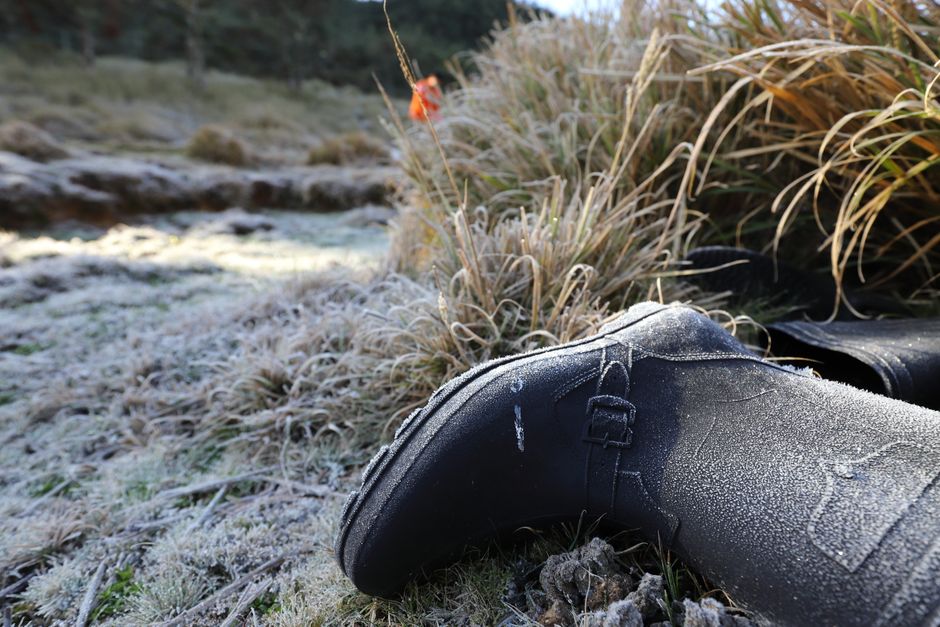
A boot works when the lower half of the outfit feels balanced. Heavy trousers need a sole with enough width to keep the hem from looking as if it is swallowing the foot. A thin cigarette trouser needs a narrower boot, or the ankle can look pinched between two wide shapes. The same rule applies to dresses. Thick knit dresses can support lug soles and padded shafts. Slip dresses and fine merino dresses need a smoother boot with less hardware.
Check the ankle gap before checking the colour
The gap between a trouser hem and boot opening changes the whole outfit. A 2 to 4 centimetre gap can look deliberate with cropped trousers, especially when the sock matches the boot. A random 1 centimetre gap often looks accidental. With a dress, the gap is the exposed leg between hem and shaft. A midi dress ending at mid-calf usually looks cleaner with a boot that reaches just below the knee or sits close to the ankle. A short dress can take a taller shaft because the longer boot fills more of the visible leg.
This is why black is not automatically the safest colour. A black boot with a pale trouser hem creates a strong line at the ankle. Dark brown or burgundy can soften that break while still working with navy, charcoal, camel, and denim. The best colour is the one that supports the outfit’s contrast level.
The best winter boots for specific outfit combinations
For tailored trousers, pick a narrow ankle boot
My pick for tailored trousers is a smooth leather ankle boot with a 3 to 5 centimetre block heel. It gives the trouser hem a clear landing point and adds height without the sharp, fragile feel of a stiletto. The toe should be almond or softly square. A very round toe can look childish with pleated trousers, while a pointed toe can make thick winter socks feel cramped. Wear this shape under full-length trousers so the hem falls within 1 to 2 centimetres of the floor without touching it.
The Vagabond Cosmo 2.0 is a useful style reference because its chunky sole works with heavier tailoring and wide-leg trousers. For a cleaner office outfit, a simple leather boot with a lower profile will look more refined than a lug sole. Choose the sleek option when the trousers have a pressed crease or a satin finish.
For dresses, choose between a Chelsea boot and a knee-high boot
For a midi dress, the best choice is usually a close ankle boot or a fitted knee-high boot. The Sorel Joan of Arctic has a taller, more insulated shape and makes sense for snow, but its padded profile can dominate a thin dress. It works best with sweater dresses, corduroy, denim, and thick tights. A slimmer knee-high boot gives a sharper result under a flowing midi skirt because it keeps the leg line continuous.
For a short dress, a knee-high boot adds coverage and warmth without needing thick tights. For a long dress, use an ankle boot with a low shaft unless the skirt has a high slit. The dress fabric should decide the boot weight. Thick wool can handle rubber, shearling, and lug soles. Lightweight viscose looks better with smooth leather and a modest heel.
How to match boot height to trousers and dresses

Use this four-step hem check
- Put on the real winter sock. A boot that fits over a thin fitting-room sock may feel tight with a 4 or 6 millimetre wool sock. Leave roughly 8 to 12 millimetres of space in front of the longest toe.
- Measure the trouser hem while standing. Full-length trousers should hover 1 to 2 centimetres above the ground. Cropped trousers should end either clearly above the boot opening or close enough to touch it visually. The awkward middle is a narrow gap that exposes a strip of bare skin.
- Check the dress at its natural hem. A knee-high boot suits a dress ending above the knee or around mid-calf. An ankle boot is easier with a maxi dress or a midi dress that ends below the widest part of the calf.
- Walk, sit, and climb stairs. The shaft must not cut into the calf when the knee bends. The toe must not slide forward when walking downhill. A boot that looks perfect while standing can fail after ten minutes outside.
Use the right proportion for each hem
Wide-leg trousers benefit from a boot with a heel of at least 3 centimetres so the hem does not drag. Straight trousers can take a flat Chelsea boot. Slim trousers need a shaft opening that is wider than the ankle but not so wide that fabric falls inside it. With dresses, a 5 to 8 centimetre gap between the boot top and a midi hem often looks intentional when tights match the boot. Bare skin in that gap can make a winter outfit feel unfinished.
When should you choose a different boot?

Choose weather performance over outfit range in real snow
A fashion-first ankle boot is the wrong purchase for deep snow, repeated slush, or temperatures below freezing. A waterproof membrane, sealed seams, insulation, and a treaded outsole matter more than a perfect toe shape. The Sorel Joan of Arctic is more useful in heavy snow than a smooth leather Chelsea because its construction gives warmth and traction. Accept the bulk. The outfit can be adjusted with a sweater dress, thick tights, and a coat that matches the boot’s weight.
Choose a dress boot instead of a casual boot for polished occasions
A platform combat boot is not the best answer for a tailored wool dress, a formal dinner, or a narrow trouser suit. A slim leather ankle boot with a 4 centimetre block heel will look calmer and create fewer hard lines. The Dr. Martens 2976 Quad is a strong casual boot, but its raised platform and deep welt call attention to the foot. Buy it for denim, utility trousers, and thick knits rather than trying to make it behave like a dress shoe.
There is also a clear reason not to buy one pair for every season. Warm boots often have thicker linings and wider openings, while dressier boots sacrifice insulation for a neater silhouette. If your winter includes both city commuting and formal events, two focused pairs will serve you better than one compromised pair.
The single most important takeaway: choose the boot whose shaft and sole match the weight of your trouser or dress fabric, then check the fit with real winter socks.